Leading Roofing Contractor New Orleans - FREE Roofing Estimate with No Hidden Charges - 24-Hour Roof Replacement Guarantee
Leading Roofing Contractor New Orleans - FREE Roofing Estimate with No Hidden Charges - 24-Hour Roof Replacement Guarantee

Leading Roofing Contractor New Orleans - FREE Roofing Estimate with No Hidden Charges - 24-Hour Roof Replacement Guarantee
Leading Roofing Contractor New Orleans - FREE Roofing Estimate with No Hidden Charges - 24-Hour Roof Replacement Guarantee


Talk to an Expert
504-370-8686
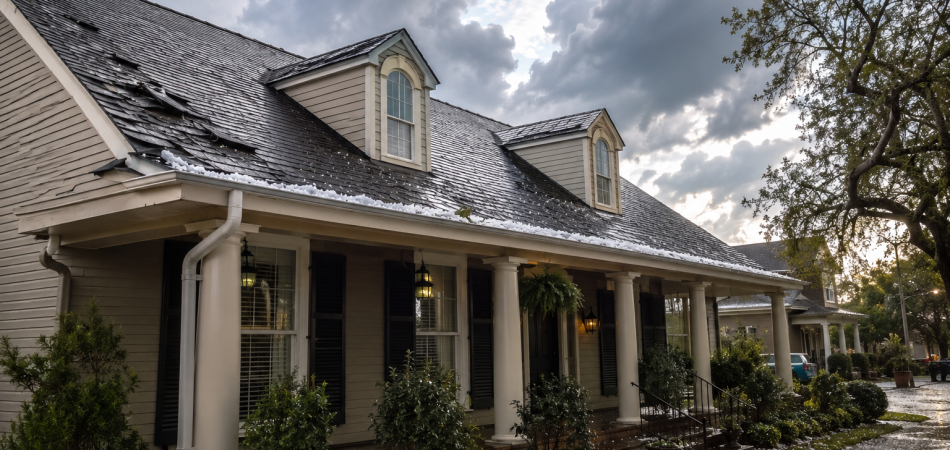
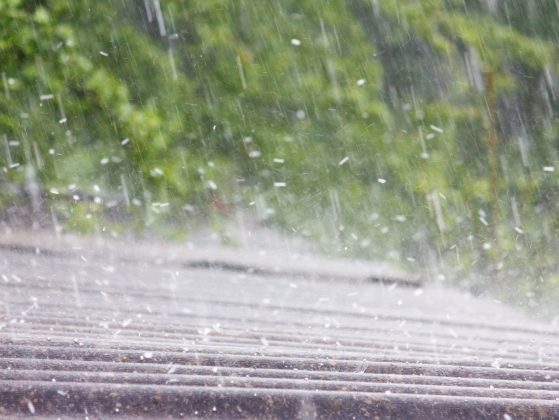
Hail may only fall for a few minutes, but the damage it leaves behind on your roof can affect your home for months or even years if left unaddressed. For New Orleans homeowners, hailstorms are a real and recurring concern, often arriving with the same intensity as the Gulf Coast thunderstorms that roll through from spring through fall. Knowing exactly what to do in the immediate aftermath of hail damage to your roof can protect your property, maximize your insurance claim, and prevent costly secondary damage down the line.
New Orleans sits in a region that sees its share of severe weather year-round. When hailstorms strike, the impact on residential roofing can range from cosmetic surface bruising to structural failure, and the damage isn’t always obvious from the ground.
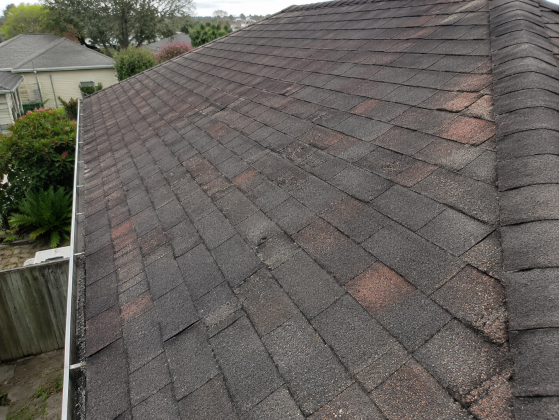
Hailstones hit roofing materials with significant force, especially when driven by wind. The result is a combination of visible and hidden damage that can compromise your roof’s waterproofing long before a visible leak appears indoors.
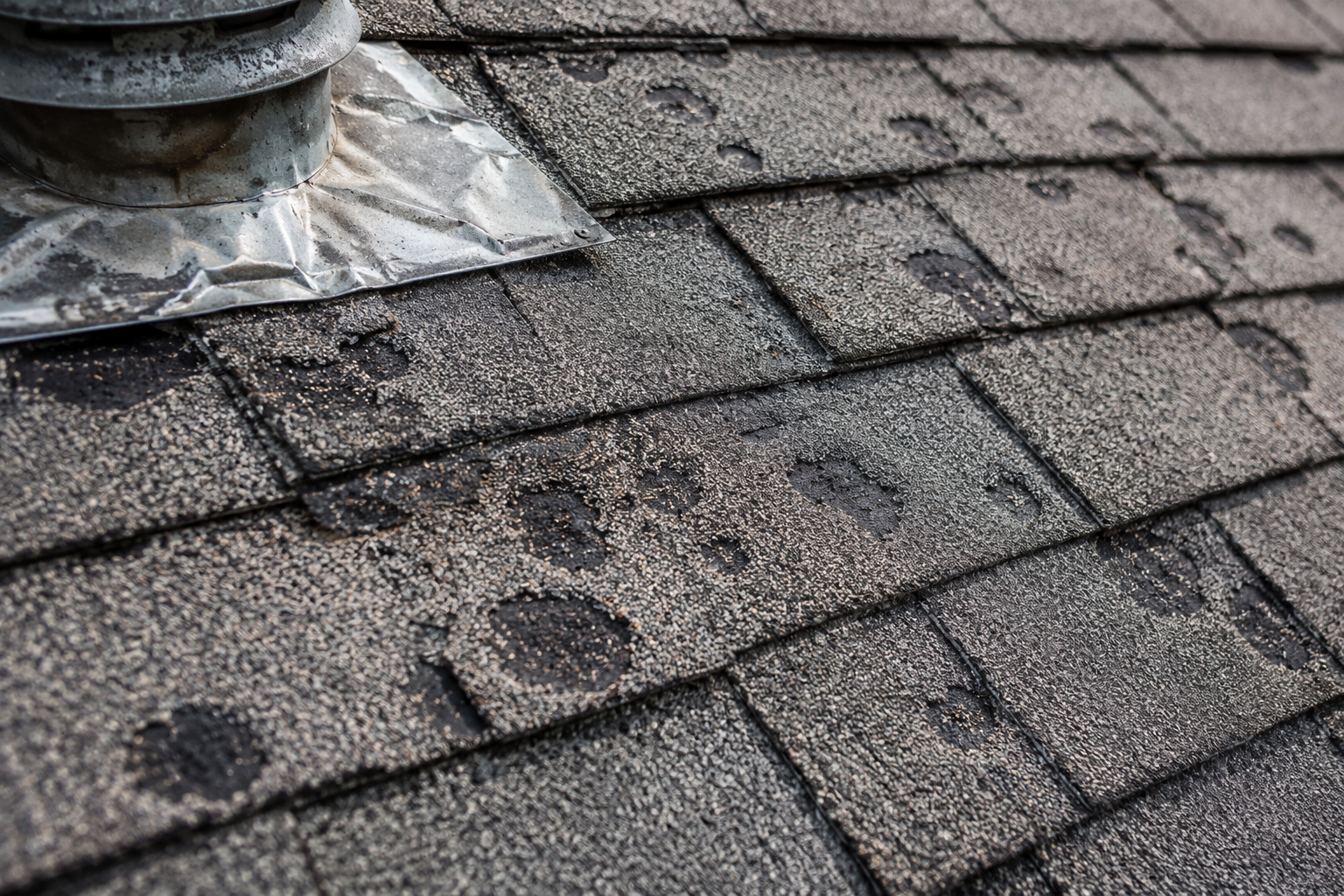 Circular dents or bruised spots on asphalt shingles
Even seemingly minor hail impacts can open pathways for moisture intrusion that worsens over time. That’s why prompt action — starting within the first 24 to 48 hours matters so much for New Orleans homeowners.
The instinct after a hailstorm is to head outside and check the damage immediately. But safety has to come first. Wet roofing surfaces are extremely slippery, and storm conditions can linger longer than expected in New Orleans.
Do not attempt to climb onto your roof on your own. Instead, assess what you can safely observe from the ground: dented gutters, missing shingles, visible cracks, and wait for a licensed roofing professional to conduct the actual inspection. Big Easy Roofer’s team offers roof inspections specifically designed to identify both surface-level and hidden hail damage without putting homeowners at risk.
Before any cleanup or temporary repairs begin, thorough documentation is critical both for your records and for your insurance claim. Time-stamped photos and videos taken immediately after the storm carry significantly more weight with insurance adjusters than those taken days later.
Keep a written log noting the date and time of the storm, the approximate duration of hail, and any unusual weather conditions (heavy wind, large hail size). Saving any loose shingles or roofing material you can safely retrieve from the ground can also support your claim.
Once you’ve documented the damage, temporary measures to prevent additional water intrusion become the priority, especially in New Orleans, where follow-up rain after a storm is common. Exposed roof decking, damaged flashing, or missing shingles can allow water into your home rapidly.
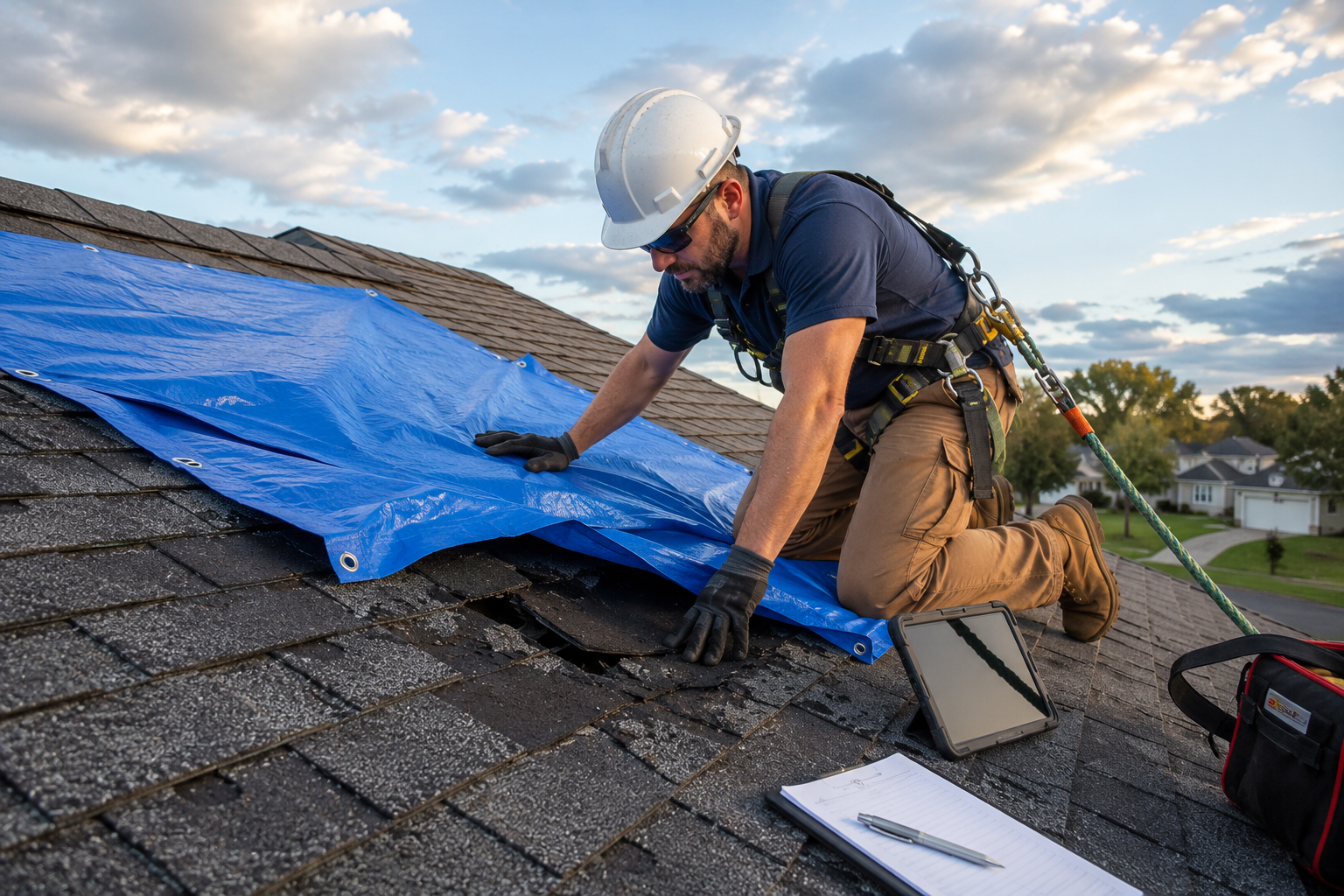
Big Easy Roofer provides emergency roofing services to help homeowners stabilize their roofs before permanent repairs begin. A professional tarp or dry-in installation stops active water ingress and protects both your roof structure and your home’s interior.
With documentation in hand and your roof stabilized, your next step is notifying your homeowner’s insurance provider. Louisiana homeowner’s insurance policies typically cover hail damage, but you’ll want to move quickly, as most policies have deadlines for reporting storm-related damage.
When you call your insurer, be prepared to provide the date of the storm, your documentation (photos and video), and any written estimates or contractor assessments you’ve gathered. Your insurer will assign an adjuster to inspect the property, but it’s worth knowing that adjusters sometimes conduct surface-level reviews that miss hidden or cumulative damage.
Even if your roof looks relatively intact from the ground, a professional inspection is essential after any significant hailstorm. Hidden damage, fractured granules, compromised underlayment, and cracked flashing are extremely common after hail events and aren’t visible without a trained eye.
Big Easy Roofer’s licensed inspectors are experienced with the specific ways hail interacts with the roofing materials most common in New Orleans, including asphalt shingles, flat roofing systems, and metal roofs. A detailed inspection report also gives you independent documentation to present to your insurance company if the adjuster’s assessment comes in lower than expected.
 Full assessment of all roof surfaces, valleys, and ridges
Once the inspection is complete and your claim is underway, you’ll need to decide between roof repair and full roof replacement. The right choice depends on the extent and distribution of the damage, the age of your current roof, and your insurance coverage terms.
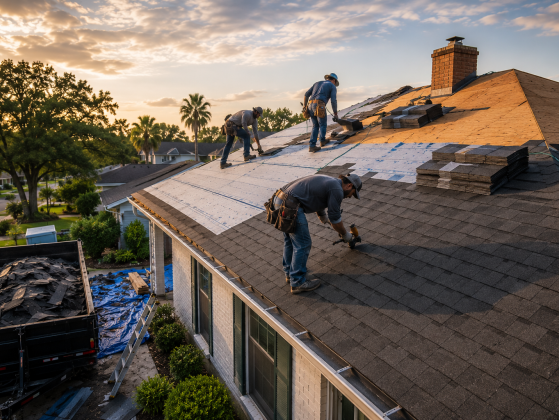
In many hailstorm scenarios, widespread granule loss and shingle bruising across large roof sections make replacement the more cost-effective long-term choice, particularly for older roofs approaching the end of their lifespan. Big Easy Roofer offers both residential roof repairs and complete roof replacement services, and can help you understand which option makes the most sense given the damage findings and your policy coverage.
For homeowners interested in longer-term protection, impact-resistant shingle options and roof restoration services can provide added durability for future storm seasons.
Hail doesn’t just hit your roof; it impacts every exposed surface on the exterior of your home. After a significant hailstorm, gutters, downspouts, fascia boards, siding, and flashing all need to be evaluated for damage.
Dented or bent gutters lose their ability to channel water effectively away from your foundation. Damaged flashing around chimneys, skylights, and roof edges creates entry points for water. Big Easy Roofer’s services extend to gutters and downspouts installation, fascia board repair, roof flashing repair, and siding installation, meaning your entire exterior can be assessed and addressed in one coordinated project.
Catching and repairing all storm-related exterior damage, not just the roof, helps prevent future water intrusion and preserves your home’s structural integrity.
If your New Orleans home took a hit in a recent hailstorm, Big Easy Roofer is ready to help from the initial inspection through final repairs or replacement. Contact us today for a free estimate and let our team handle the hard part.
You should file as soon as possible, ideally within 24 to 72 hours of the storm. Louisiana homeowner’s insurance policies typically cover hail damage, but most have deadlines for reporting claims. Delays can raise questions about whether the damage occurred in the reported storm. Document everything first, then contact your insurer.
It’s generally not advisable. Hail damage that appears cosmetic, granule loss, and minor bruising can compromise a shingle’s ability to shed water effectively. New Orleans receives significant rainfall throughout the year, meaning even small damage can lead to leaks, mold growth, and structural issues over time. An inspection will help you understand the true severity and urgency.
It depends on your policy. Homeowner’s insurance in Louisiana commonly covers hail as a covered peril. Whether you receive replacement cost value (the full cost of a new roof) or actual cash value (depreciated value based on roof age) depends on your specific policy terms. A licensed contractor can help you understand what the inspection findings mean for your claim.
Always use a locally licensed contractor. Out-of-state storm chasers typically appear after major weather events and may not be licensed in Louisiana, may not carry proper insurance, and may not be available for warranty work if issues arise later. Big Easy Roofer is based in New Orleans and serves homeowners across the greater metro area with licensed, insured crews and a workmanship guarantee.


 Big Easy Roofer
  June 16th 2026