Leading Roofing Contractor New Orleans - FREE Roofing Estimate with No Hidden Charges - 24-Hour Roof Replacement Guarantee
Leading Roofing Contractor New Orleans - FREE Roofing Estimate with No Hidden Charges - 24-Hour Roof Replacement Guarantee

Leading Roofing Contractor New Orleans - FREE Roofing Estimate with No Hidden Charges - 24-Hour Roof Replacement Guarantee
Leading Roofing Contractor New Orleans - FREE Roofing Estimate with No Hidden Charges - 24-Hour Roof Replacement Guarantee


Talk to an Expert
504-370-8686
If you own a home in New Orleans, your roof faces challenges that homeowners in most other cities simply don’t encounter. The combination of intense summer heat, hurricane season, heavy rainfall, and high humidity means your roof is constantly working harder than average. Following a seasonal roof repair checklist is one of the most practical things you can do to extend your roof’s life and protect your investment. At Big Easy Roofer, we’ve helped countless New Orleans homeowners stay ahead of roofing problems before they become costly disasters.
New Orleans sits in one of the most demanding climate zones in the country for roofing. The city experiences long, brutally hot summers, a defined hurricane season from June through November, and periods of intense rainfall that can dump several inches in just a few hours. Added to that is the region’s naturally high humidity, which accelerates mold, rot, and material degradation faster than in drier climates.
Most roofing materials used in other states weren’t necessarily designed with Louisiana’s environment in mind. Asphalt shingles can buckle or blister under prolonged UV exposure. Flat roofs, common in New Orleans architecture, are particularly vulnerable to pooling water. And the heavy debris that hurricanes and tropical storms drop can compromise even recently installed roofs.
Spring in New Orleans is the calm before the storm, literally. This is the window between winter rain and the start of hurricane season, making it the ideal time to schedule a professional roof inspection and address any lingering damage from the cooler months.
Start by walking your property after any significant winter rain event and looking for water stains on ceilings or walls. These are early indicators of a slow leak. Check your attic for daylight coming through the roof boards or signs of moisture around the rafters.
Gutters and downspouts tend to accumulate debris from winter storms. Blocked drainage forces water to back up under shingles and along the roofline, which is a major entry point for leaks. This is also the time to look at your fascia boards; they often soften or split after a wet winter and need attention before summer humidity worsens the damage.
Spring Checklist Items
Summer in New Orleans means hurricane season is in full swing. The Gulf of Mexico warms up, and tropical systems can form and intensify rapidly. This is when emergency roofing situations are most common, and being proactive can be the difference between a minor repair and a full roof replacement.
Before each named storm approaches, do a visual scan of your roof from the ground. Look for any shingles that appear lifted, loose, or missing. Check that any roof vents or caps are firmly secured. If you had repairs done earlier in the year, verify that those patches are holding.
After a storm passes, conduct a thorough post-storm inspection. Even if your roof looks intact from the ground, hidden damage, particularly to the flashing or underlayment, can go undetected until it rains again. The roof flashing repair points are among the first to fail after high winds, as they’re thin metal pieces that can bend or separate from the roof surface.
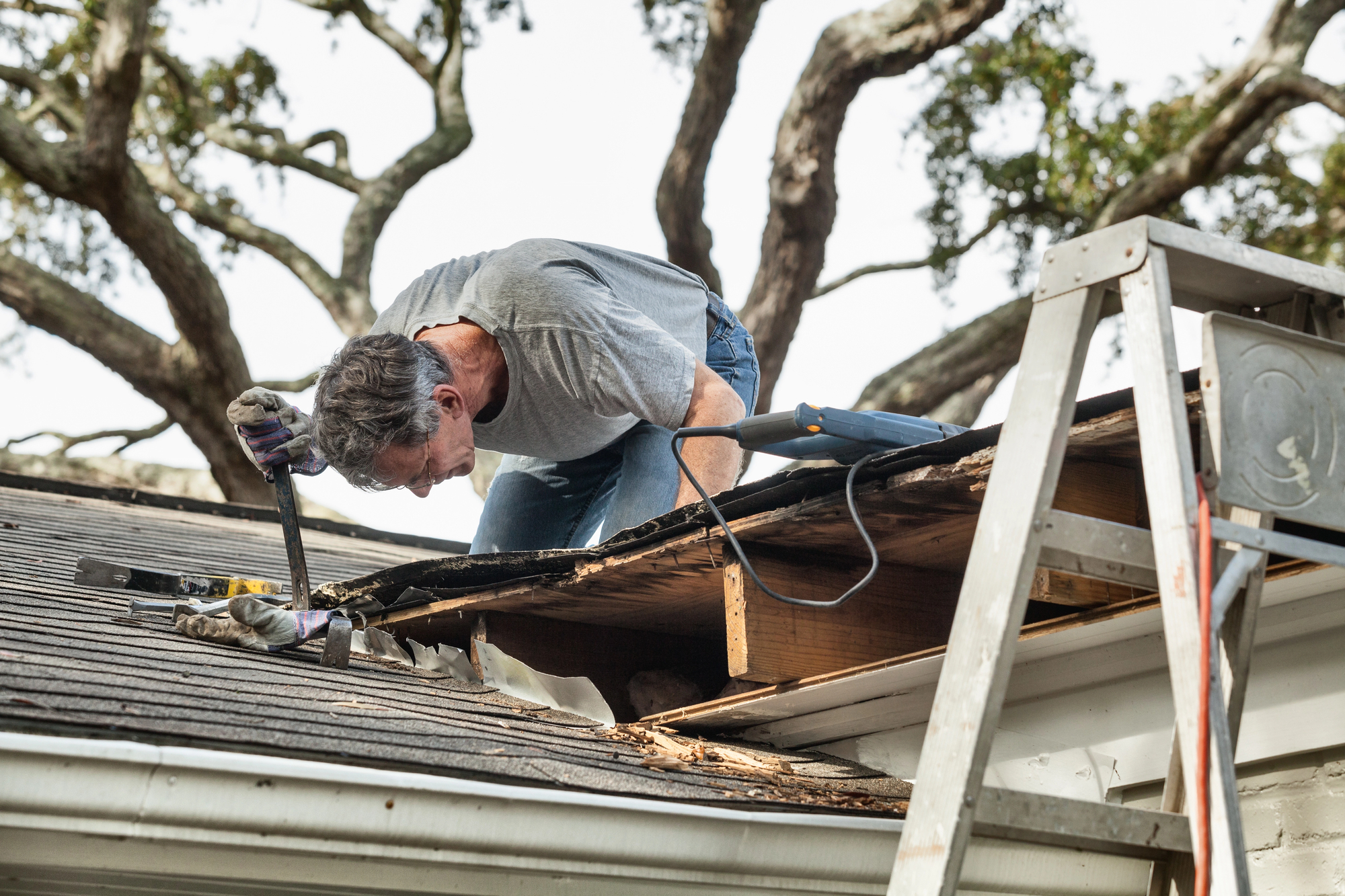 High summer temperatures also accelerate wear on shingles. If you notice dark patches, granule loss in your gutters, or shingles that look aged beyond their years, a roof restoration may extend the life of your system without the cost of full replacement.
Summer Checklist Items
By September, the peak of hurricane season has typically passed, though storms can still form well into November. Fall is when New Orleans homeowners shift from storm vigilance to recovery and longer-term maintenance planning. This is the most important season for leak detection. Any storm damage that wasn’t immediately obvious over the summer often reveals itself during fall rain events.
Fall is also ideal for addressing roof maintenance tasks that the summer’s heat and storm activity may have delayed. Algae and moss growth, common on New Orleans roofs due to the humidity and shade from mature trees, can be treated and removed before it gets worse over the cooler months.
If your roof sustained significant damage during hurricane season, fall is the right time to evaluate whether repairs are sufficient or whether a full roof replacement makes more financial sense long-term.
Fall Checklist Items
Winter in New Orleans is mild compared to northern states, but it brings its own roofing risks. Cooler temperatures combined with high moisture and occasional cold snaps create conditions where condensation and slow leaks are particularly common. Make sure your attic has adequate ventilation. Poor airflow traps moisture inside the attic, which leads to wood rot, mold growth, and premature shingle deterioration from the inside out.
Winter is also a good time to invest in weatherproofing measures, especially around older penetrations or problem areas identified during the fall. Caulking around flashings, sealing gaps around vents, and applying protective coatings can all be done during dry winter days and will pay dividends when spring storms return.
Winter Checklist Items
Keeping up with seasonal roof maintenance isn’t always easy when you’re also managing the demands of daily life. That’s why Big Easy Roofer offers comprehensive residential roofing services tailored specifically for the New Orleans environment. From routine roof inspections to complete roof replacements, the team brings local expertise and a thorough understanding of how Louisiana’s climate affects roofing systems.
Whether you need a post-storm repair, a pre-sale inspection, or a seasonal maintenance check, working with a roofing contractor who knows New Orleans makes a real difference. Big Easy Roofer also handles gutter and downspout installation, soffit repairs, and siding installation, so you can address the full exterior of your home with one trusted team.
If you’d like a professional assessment of your roof’s current condition, Big Easy Roofer offers free estimates with no hidden charges. Reach out to schedule a seasonal inspection and get ahead of whatever New Orleans weather has in store next.
Most roofing professionals recommend at least one inspection per year for New Orleans homes. Given hurricane season, a spring inspection before June 1 and a post-storm inspection in fall is a practical minimum. Older roofs or those that have experienced recent storm damage may benefit from more frequent checks.
The most visible signs include missing or displaced shingles, lifted flashings around chimneys or vents, damaged or clogged gutters, and debris punctures. Less obvious signs include water stains on interior ceilings, soft spots in the roof deck when walked on, or granule buildup in gutters after wind events.
Delaying repairs into hurricane season is generally not advisable. A compromised roof is far more vulnerable to storm damage than a sound one. Even minor leaks can worsen dramatically under heavy rain or wind, turning a small repair into a costly replacement. Addressing issues in spring — before June — is the safest and most cost-effective approach.
This depends on several factors: the age of the roof, the extent of damage, and whether the damage is localized or widespread. A professional inspection will assess the condition of the decking, underlayment, and surface materials. Generally, if more than 25–30% of the roof surface shows significant wear or damage, replacement may be more economical than repeated repairs over time.


 Big Easy Roofer
  June 3rd 2026