Leading Roofing Contractor New Orleans - FREE Roofing Estimate with No Hidden Charges - 24-Hour Roof Replacement Guarantee
Leading Roofing Contractor New Orleans - FREE Roofing Estimate with No Hidden Charges - 24-Hour Roof Replacement Guarantee

Leading Roofing Contractor New Orleans - FREE Roofing Estimate with No Hidden Charges - 24-Hour Roof Replacement Guarantee
Leading Roofing Contractor New Orleans - FREE Roofing Estimate with No Hidden Charges - 24-Hour Roof Replacement Guarantee


Talk to an Expert
504-370-8686
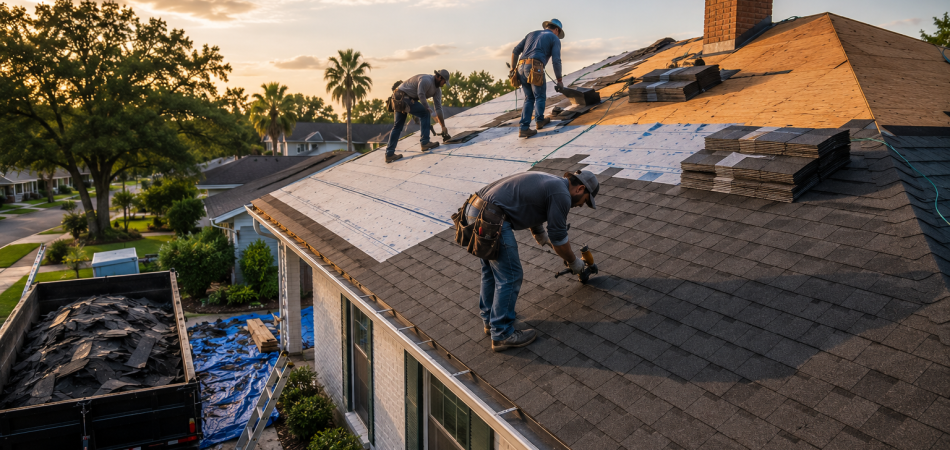
When it’s time for a roof replacement in New Orleans, most homeowners focus on cost and durability, and understandably so. But the environmental impact of roof replacement is a growing concern for residents who want to protect both their homes and the unique ecosystem of South Louisiana. From landfill waste to energy consumption, the choices you make during a roof replacement can have a lasting effect on the environment.
The good news? There are more sustainable roofing options available today than ever before, and many of them are well-suited to the heat, humidity, and storm demands of the New Orleans climate.
Most people don’t think about where old roofing materials go after a tear-off. In the United States, asphalt shingles alone generate millions of tons of waste annually, much of it ending up in landfills. In a city like New Orleans, where storm damage and aging roofs create frequent replacement needs, this problem is especially relevant.
Beyond disposal, the production of conventional roofing materials requires significant energy and raw materials. Manufacturing asphalt shingles, for example, involves petroleum-based products, contributing to carbon emissions throughout the supply chain.
New Orleans homeowners face a distinct set of environmental challenges when it comes to roofing:
Understanding these factors is the first step toward making a more sustainable choice for your next roof installation.
Not all eco-friendly claims in the roofing industry are equal. A truly sustainable roofing material should be evaluated across its full lifecycle from production and installation to performance and end-of-life disposal.
 When assessing sustainability, look at:
When shopping for sustainable roofing options in New Orleans, keep an eye out for:
Choosing the right material for a sustainable roof replacement depends on your home’s structure, your budget, and the specific environmental goals you want to meet. Several options perform well in New Orleans’ demanding climate.
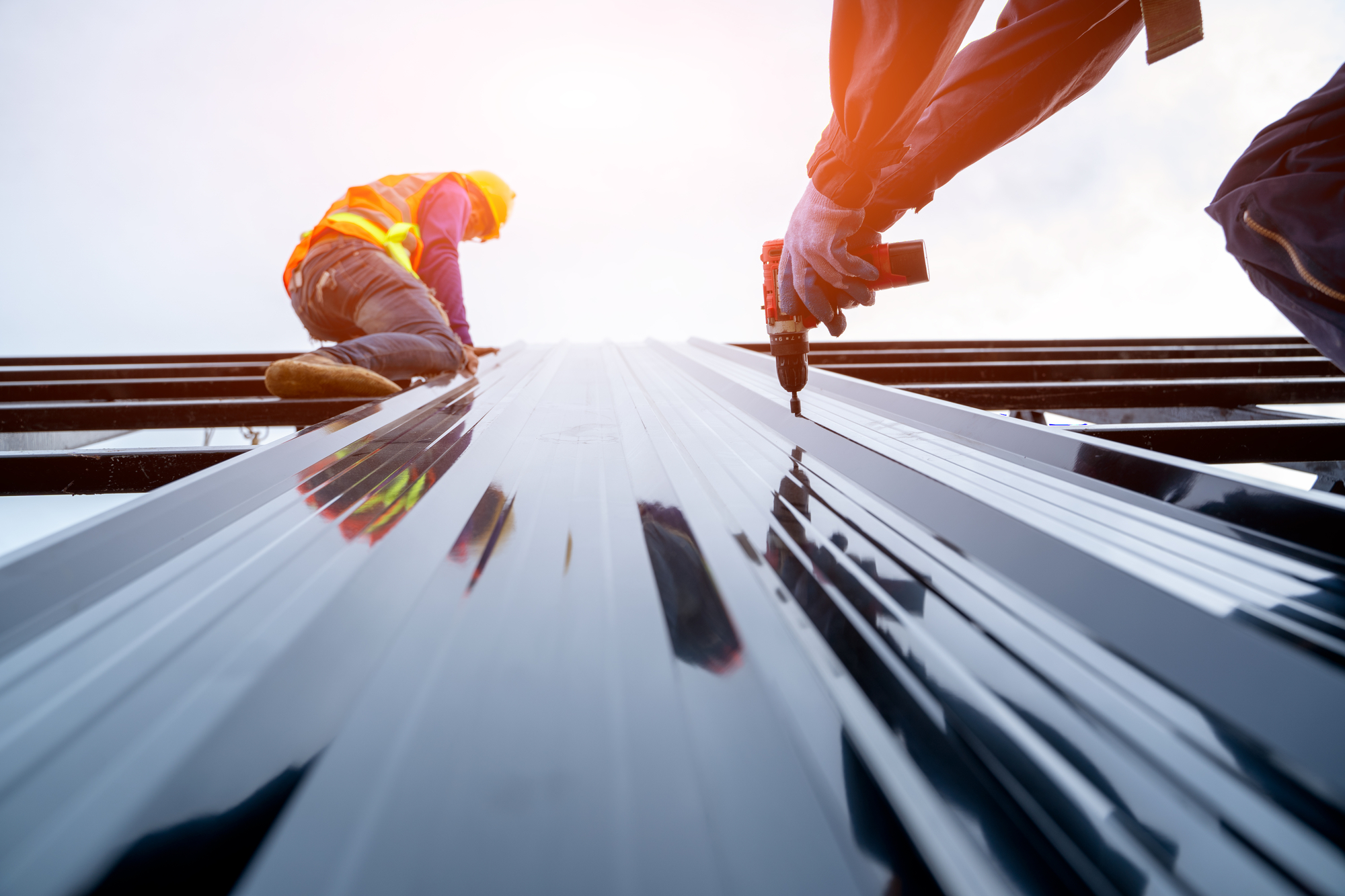
Metal roofing is one of the most environmentally friendly options available. It typically contains 25–95% recycled content and is 100% recyclable at the end of its lifespan. Metal roofs also reflect solar radiation, helping to keep attics cooler and reducing air conditioning loads, a significant advantage in Louisiana summers.
Metal roofing systems are highly durable, typically lasting 40–70 years with proper roof maintenance. That longevity dramatically reduces material consumption over time compared to traditional asphalt shingles.
Cool roofing refers to any system, whether a coating, membrane, or shingle, designed to reflect more sunlight and absorb less heat than standard materials. For flat or low-slope commercial roofs, elastomeric coatings and single-ply membranes are popular cool roofing solutions in the New Orleans area.
Before committing to a full tear-off and replacement, it’s worth considering whether roof restoration could extend the life of your existing roof by years. Restoration involves applying protective coatings, repairing damaged sections, and sealing vulnerable areas without generating the waste of a full replacement.
Restoration is particularly effective for commercial flat roofs and metal roofs that are structurally sound but showing signs of weathering. It can add 10–15 years to a roof’s lifespan while significantly reducing material waste and cost.
A professional roof inspection by Big Easy Roofer can help determine whether restoration is a viable option before you invest in a full replacement. Sometimes, what looks like a total replacement situation is actually a manageable repair or restoration project.
A sustainable roof isn’t just about the material on top; it’s about the entire roofing system working efficiently. In New Orleans, where summer temperatures regularly exceed 90°F, proper roof ventilation and insulation play a critical role in reducing energy consumption and extending the life of your roofing materials.
Poor attic ventilation traps heat, accelerates shingle deterioration, and forces HVAC systems to work harder. This increases both your energy bills and your environmental footprint. Improving ventilation and insulation during a roof replacement is one of the most cost-effective environmental upgrades you can make.
Making a sustainable choice for your next roof replacement in New Orleans doesn’t require sacrificing performance or durability. If you’re ready to explore your options, Big Easy Roofer offers free estimates and expert guidance to help you find a solution that works for your home, your budget, and the environment. Give them a call at 504-370-8686 to get started.
Metal roofing is widely considered one of the most sustainable options due to its high recycled content, 100% recyclability, long lifespan, and energy-reflecting properties. Cool roofing systems and single-ply membranes are also strong choices depending on your roof type. A professional consultation can help match the right material to your specific home and goals.
Yes, asphalt shingles can often be recycled into road-paving material. Some roofing contractors and waste haulers offer asphalt shingle recycling programs. Ask your roofing contractor about responsible disposal options before your tear-off begins.
In most cases, yes. Sustainable roofing materials like metal or slate have higher upfront costs but require fewer repairs, last significantly longer, and reduce energy bills, resulting in a lower total cost of ownership over time. Cool roofing coatings can meaningfully reduce cooling costs in New Orleans summers.
Yes. Big Easy Roofer works with a range of roofing materials, including metal, single-ply, and cool roofing systems suited to sustainable goals. They also offer roof restoration and weatherproofing services that can extend the life of your existing roof before a full replacement becomes necessary.


 Big Easy Roofer
  May 22nd 2026