Leading Roofing Contractor New Orleans - FREE Roofing Estimate with No Hidden Charges - 24-Hour Roof Replacement Guarantee
Leading Roofing Contractor New Orleans - FREE Roofing Estimate with No Hidden Charges - 24-Hour Roof Replacement Guarantee

Leading Roofing Contractor New Orleans - FREE Roofing Estimate with No Hidden Charges - 24-Hour Roof Replacement Guarantee
Leading Roofing Contractor New Orleans - FREE Roofing Estimate with No Hidden Charges - 24-Hour Roof Replacement Guarantee


Talk to an Expert
504-370-8686
Roof hail damage happens when hail strikes materials like shingles, metal panels, or asphalt, breaking the protective seals that keep water out. This can lead to leaks and structural issues if not handled promptly. Recovery usually involves assessing the damage, filing insurance claims, and scheduling professional repairs. Understanding the extent of the damage helps make faster, better decisions and prevents long-term problems.
Let Big Easy Roofer help you recover quickly and restore your roof’s strength. Contact us today for a free inspection and expert guidance.

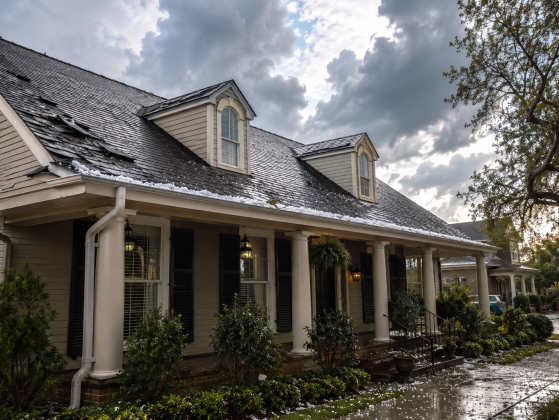
Roof hail damage happens when hail impacts roofing materials, causing cracks, dents, or granule loss. All roof types are vulnerable, especially asphalt shingles. Hailstones larger than 1 inch can cause serious damage during severe storms.
Hail strikes would leave soft, bruised spots on shingles and produce dents on metal surfaces. If not immediately rectified, the said conditions may lead to leaks.
Hail knocks off the protective granules from shingles, exposing the asphalt below and thus making roofs age faster and susceptible to leaks. Early detection prevents gigantic long-term damage.
Large hailstones may crack or break openings in shingles, mainly in the older roofs, producing further leaks and interior damage. Quick repairs would be most applicable to prevent further issues.
When hail continues to strike, it weakens the entire roofing structure and shortens its lifespan, making it prone to the next storm failure. Using hail-resistant materials makes the roof more durable.
Not all damage is visible. Small punctures and bruises worsen over time to develop leaks and mold. Inspection by professionals can reveal most of the hidden tragedy to effect repair in time.

Immediate action taken after a hailstorm usually goes a long way toward minimizing damage and reducing the chance of further problems. Repairing any possible roof damage immediately secures your house in addition to facilitating your claim. Here are some actions that deserve the highest priority immediately after a storm:
Ensure your safety foremost. Stay inside the house until the storm passes. Hail can cause injuries, and debris can be blown off by the wind. Avoid climbing onto the roof just after the storm; hail may have weakened it and made it hazardous. If you need to check for damage, wear protective clothing such as sturdy boots, gloves, and a helmet. Avoid broken branches, nails, or glass while keeping your distance from downed power lines and unstable buildings.
Walk carefully around the property to inspect for visible damage like buckling shingles, ripped siding, and crushed vents. Take photographs and videos for insurance, if you can, with the size of the hail close up. Check the damage to vehicles and furniture, as well as any damage to fences that might indicate a roof problem. Do not attempt to go onto the roof until a professional can safely inspect it.
Put some tarps or plastic sheeting on your roof to prevent water from getting into your house. Clear your gutters and downspouts to ensure proper flow of water. Lightly apply some emergency adhesive on any loose shingles or flashing to prevent further damage.
Starting professional repairs right away is essential. Temporary fixes won’t solve the problem, and delaying repairs can lead to more severe and costly damage.
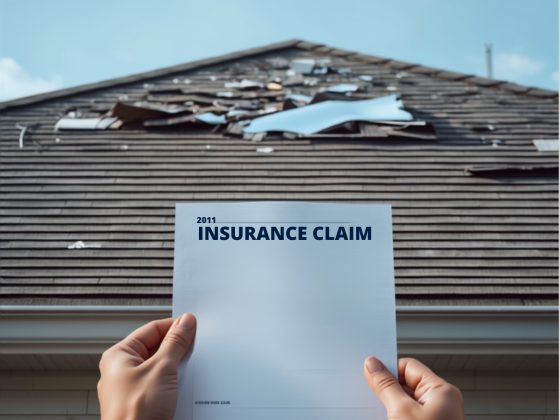
Hail damage brings insurance claims frustration quite easily if not prepared for such an event. The summary brings together knowing the basics, documenting everything, and bringing your insurer along through the claims process toward an equitable and speedy finding. This is dealing with insurance claims central for hail damage.
Start your claim right away by taking some pictures and videos on your cellphone of the roof and surrounding property when the environment is safe.
Insurance policies can differ greatly. Confirm whether you have a Replacement Cost Value (RCV) or Actual Cash Value (ACV) policy, as this determines your payout. RCV covers the full replacement cost, while ACV covers the value minus depreciation.
Also, review your policy for any hail exclusions and check your deductible amount. If repair costs are close to your deductible, filing a claim might not be practical. Always clarify coverage details and terms with your insurer before proceeding.
Timely and unambiguous communication with the insurer is of utmost importance. Damage should be reported as soon as it occurs in order to comply with the policy requirements. When interviewing adjusters, present an unprejudiced and concise statement of your facts of the deeds of damage.
Schedule the inspections as soon as possible and regularly inquire after the status of your file; furthermore, document every exchange. Never rush into accepting an early settlement.
Hail damage can catch homeowners off guard. What seems like a small issue can turn into a major problem over time. Take action quickly, inspect your roof, document the damage, and contact your insurance provider to start the claim process.
Big Easy Roofer is here to help with inspections, repairs, and replacements. Whether it’s a minor fix or a complete roof replacement, our team can handle it. Don’t let hail damage linger. Call us today to schedule your inspection.


 Big Easy Roofer
  October 16th 2025