Leading Roofing Contractor New Orleans - FREE Roofing Estimate with No Hidden Charges - 24-Hour Roof Replacement Guarantee
Leading Roofing Contractor New Orleans - FREE Roofing Estimate with No Hidden Charges - 24-Hour Roof Replacement Guarantee

Leading Roofing Contractor New Orleans - FREE Roofing Estimate with No Hidden Charges - 24-Hour Roof Replacement Guarantee
Leading Roofing Contractor New Orleans - FREE Roofing Estimate with No Hidden Charges - 24-Hour Roof Replacement Guarantee


Talk to an Expert
504-370-8686
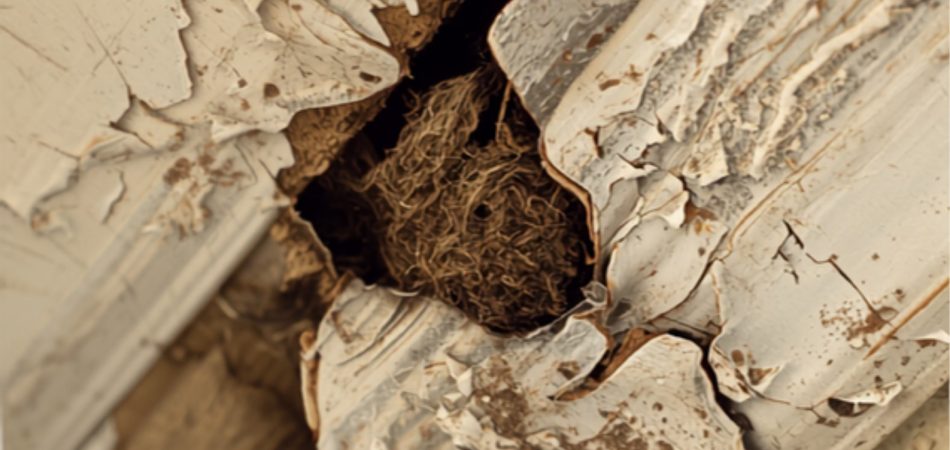
Damaged soffit and fascia are more than cosmetic concerns. Left unchecked, deteriorating soffit panels and fascia boards can compromise your roof’s ventilation, invite pests into your attic, and accelerate structural decay that leads to expensive roof repairs. Here is how to spot the warning signs early and protect your home.
Before diving into warning signs, it helps to understand what these components actually do. Soffit is the material that covers the underside of your roof overhang, spanning the gap between your home’s exterior wall and the edge of the roofline. Most modern soffits are made from aluminum, vinyl, or fiber cement, and they include small perforations that allow air to flow into the attic. That airflow is critical for proper attic ventilation, helping regulate temperature and prevent moisture buildup year-round.
Fascia is the vertical finishing board that runs along the lower edge of the roof where it meets the outer walls. It caps the ends of the roof rafters, provides a mounting surface for your gutters, and creates a clean visual line along the eave. Together, soffit and fascia form a protective barrier that seals the roof structure from weather, pests, and debris. When either component fails, the consequences cascade upward into your roof system. Big Easy Roofer sees this chain reaction regularly in homes across the Greater New Orleans area.
Each of the following signs points to a specific problem, and each problem connects to real downstream roof damage. Catching these early can save you thousands in roof repairs.
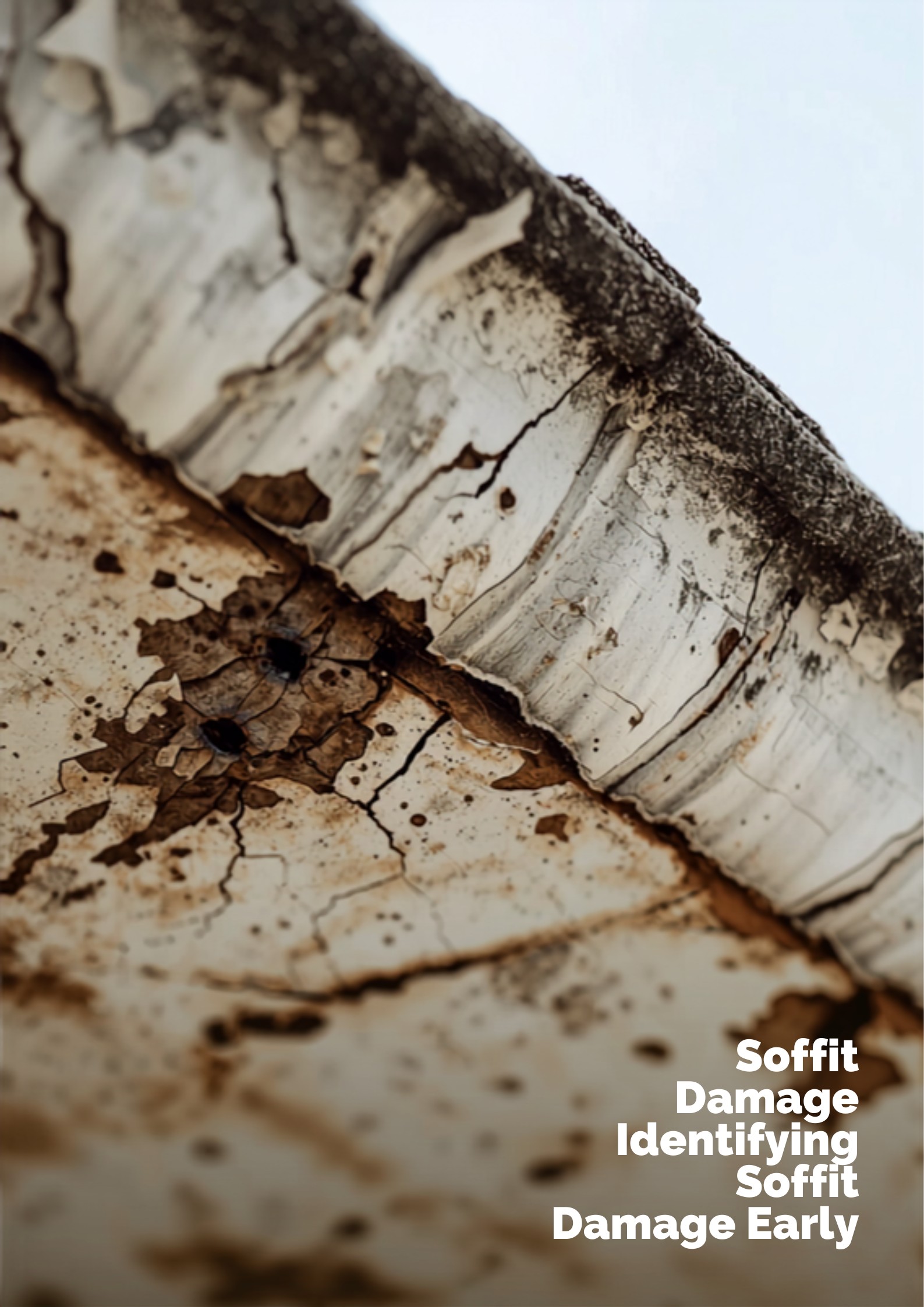
When paint on your fascia boards starts to peel, bubble, or flake, moisture has likely penetrated the surface beneath. This is often one of the earliest visible indicators of water damage.
Why it matters: Paint failure means the protective seal on your fascia is gone. Exposed wood absorbs rain and humidity, and the resulting rot can spread to the drip edge and roof decking behind it. Once decking rots, your shingles lose their foundation, and leaks become inevitable. Routine inspections, as outlined in our guide on how regular roof maintenance extends your roof’s life, can catch this early.
Cracks, holes, or missing sections in soffit panels are impossible to ignore and should never be dismissed as minor cosmetic damage.
Why it matters: Open soffit panels create a direct pathway for rainwater, insects, rodents, birds, and squirrels to enter the space between your roof and attic insulation. Pest intrusion leads to contaminated insulation, chewed wiring, and nesting material that blocks ventilation channels. Professional soffit repair closes these entry points before animal or water damage compounds the problem.
If sections of your soffit are sagging, bowing downward, or pulling away from the house, moisture has been at work for some time.
Why it matters: Sagging soffit typically means the underlying support structure is weakened by water damage or wood rot. More critically, warped soffit panels block the perforated ventilation openings that allow air to flow into your attic. When that airflow is restricted, heat and moisture become trapped in the attic space. Trapped moisture condenses on roof decking, accelerating rot from the inside out and potentially leading to premature roof failure. This scenario is one of the most common causes of hidden roof damage that homeowners overlook.
Brown or dark streaks running along your soffit or fascia usually indicate ongoing water exposure, either from a roof leak above or from gutter overflow running behind the fascia board.
Why it matters: Water stains reveal the path that moisture travels, and that path almost always leads to the roof structure. Persistent water contact promotes mold growth on sheathing and rafters, weakens the structural integrity of the eave, and can even cause the fascia to pull away from the rafter tails. If you notice staining combined with gutter issues, you may be dealing with multiple problems at once. Our article on common roof repair issues and how to address them covers how these problems overlap.
Scratching sounds from the eaves, visible nests, droppings near the soffit line, or small entry holes chewed into soffit or fascia boards all point to active pest intrusion.
Why it matters: Animals nesting in your eaves or attic compromise far more than your soffit. Rodents gnaw through insulation and wiring, creating fire hazards. Birds and squirrels pack nesting material into soffit vents, blocking the ventilation your roof depends on. Wasps and carpenter bees bore into fascia, speeding up wood rot. Every day the entry point stays open, the damage grows. New soffit installation with properly sealed panels eliminates these vulnerabilities.
If you press a finger against your fascia board and the wood gives or feels spongy, rot has already set in beneath the surface.
Why it matters: Rotted fascia can no longer support your gutter system. Gutters that pull away from the house dump water directly against the foundation and along the roofline, causing erosion, foundation settling, and accelerated wear on the rake and eave edges of your roof. Additionally, a rotted fascia board lets water seep behind it and into the rafter tails, which are structural members of the roof. Once rafters are compromised, you are no longer looking at a simple repair but a major structural project. Fascia board repair and installation by a qualified contractor addresses rot before it spreads to the roof frame.
This sign is the least visible but often the most costly. If your energy bills are climbing without explanation, or if certain rooms feel noticeably warmer or cooler than others, your soffit ventilation system may be failing.
Why it matters: Soffit vents work in tandem with ridge vents to create continuous airflow through the attic. When soffit is damaged, blocked, or missing, this airflow cycle breaks down. In summer, heat becomes trapped, forcing your HVAC system to work harder. In winter, warm attic air meeting a cold roof surface causes condensation that soaks insulation and promotes mold. Over time, this cycle degrades roof decking and shortens the lifespan of your shingles considerably. Proactive homeowners who follow maintenance tips for preventing roof emergencies catch ventilation issues before they become expensive surprises.
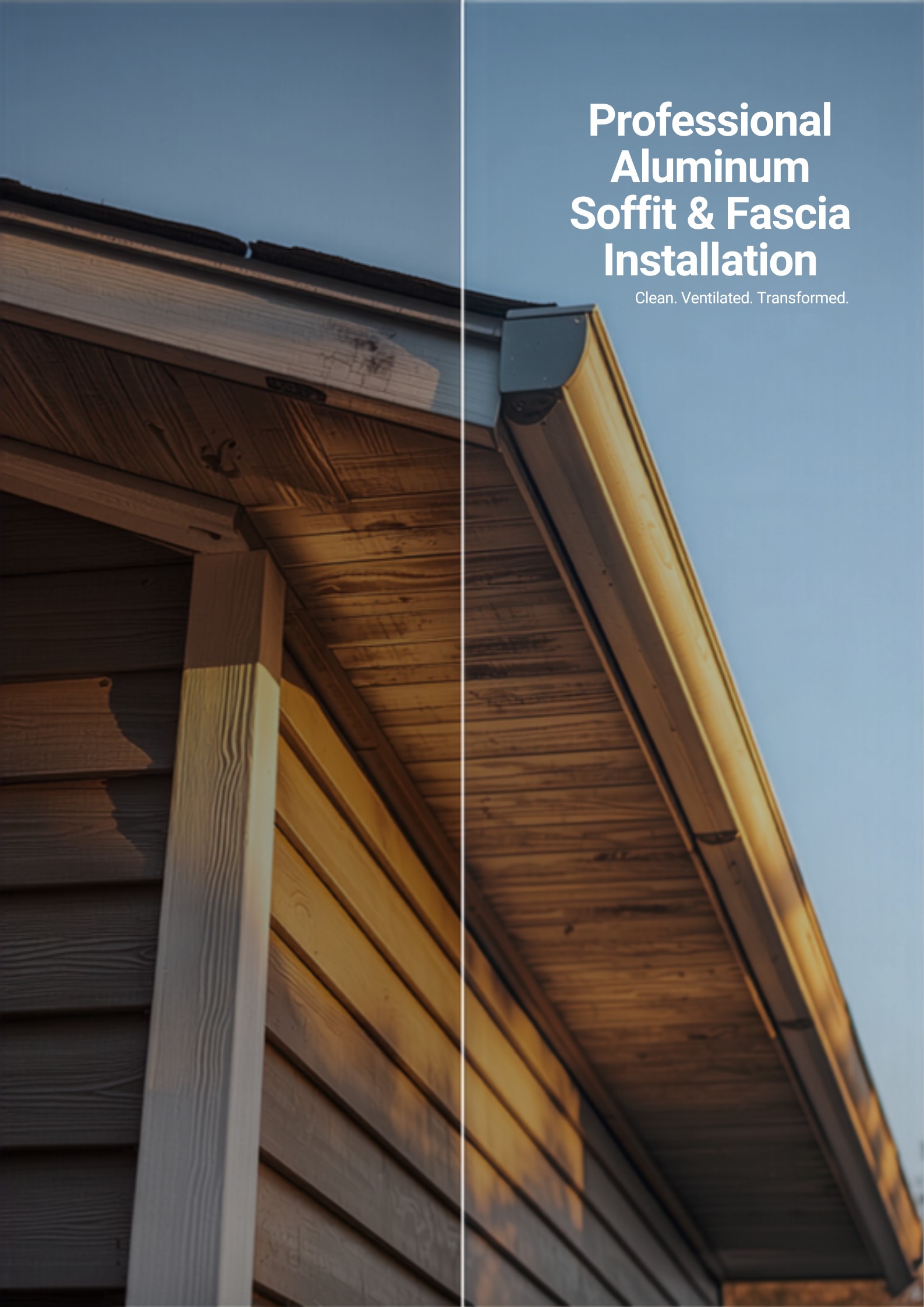
The answer depends on the extent of the damage. Isolated cracks, small holes, or localized paint failure can usually be handled with targeted repairs. However, if rot has spread across multiple sections, if the underlying structure is compromised, or if your soffit material is outdated and no longer performing, full replacement is the smarter long-term investment. A professional inspection is the best way to determine which approach fits your situation.
If you have noticed any of the warning signs above, do not wait for a roof leak to confirm the damage. Contact Big Easy Roofer for a free estimate with no hidden charges. Call us at (504) 370-8686 to schedule an inspection and get a clear, honest assessment of your soffit and fascia condition.
Soffit is the material covering the underside of your roof overhang, and fascia is the vertical board that caps the rafter ends along the roofline. Together, they protect roof structure from weather, regulate attic ventilation, support gutters, and block pest entry. When they fail, the entire roof system is exposed to damage.
Look for sagging or warped panels, visible cracks and holes, peeling paint, water stains, or evidence of animal activity near the eaves. Inside the attic, check for unusual heat buildup, moisture on the underside of roof sheathing, or blocked ventilation channels. Any of these signs warrant a professional inspection.
Yes. Fascia boards support your gutter system and seal the ends of roof rafters. When fascia rots or pulls away, gutters detach and dump water along the roofline, and moisture infiltrates the rafter tails. This can lead to structural weakening, decking rot, and eventual roof failure.
Homeowners in the New Orleans area typically invest between $500 and $1,500 for soffit and fascia repair, though costs vary based on the extent of damage, materials selected, and accessibility. Big Easy Roofer provides free estimates so you know the exact cost before any work begins.
Repair is appropriate for isolated damage like small cracks, localized rot, or minor paint failure. Replacement makes more sense when rot has spread across multiple sections, the underlying structure is weakened, or the material is outdated. A professional assessment is the most reliable way to determine which option is right for your home.


 Big Easy Roofer
  July 15th 2026