Leading Roofing Contractor New Orleans - FREE Roofing Estimate with No Hidden Charges - 24-Hour Roof Replacement Guarantee
Leading Roofing Contractor New Orleans - FREE Roofing Estimate with No Hidden Charges - 24-Hour Roof Replacement Guarantee

Leading Roofing Contractor New Orleans - FREE Roofing Estimate with No Hidden Charges - 24-Hour Roof Replacement Guarantee
Leading Roofing Contractor New Orleans - FREE Roofing Estimate with No Hidden Charges - 24-Hour Roof Replacement Guarantee


Talk to an Expert
504-370-8686

When water starts dripping inside, act fast to limit damage. Delays can turn small leaks into costly repairs. Focus on finding where the water is coming from—it often travels along beams before dripping down. Once located, work quickly to keep water out and your belongings dry.
Place buckets or containers under the leak to catch dripping water and prevent pooling on floors or furniture. Use towels or mops to soak up any puddles, especially on wood or carpet. Regularly check empty containers to avoid overflow, and stay alert for worsening leaks or new ones.
Move furniture, electronics, and fragile items out of the way of the leak. Heavy items that cannot be moved should be covered with waterproof tarps or plastic. Important papers and valuables should be moved to a dry area to prevent damage, ensuring that pathways remain clear to avoid tripping hazards.
Take pictures and videos of visible damage for insurance claims, including water stains, a warped ceiling, and damaged belongings. Document roofing concerns such as missing shingles and cracks, and create a numbered list of all affected items, ensuring nothing gets overlooked during filing.
Inspection, inside and outside, to find the source. Here, we highlight some critical steps to assist in zeroing in on and verifying the source of a leak.
Start in the attic during the day. Look for sunlight entering through cracks in the roof. Use a flashlight to find water stains, wet insulation, or drips in dark corners. Water travels along rafters before showing up inside. Trace any wet areas back to where water enters and mark these spots for repair. In other words, a 6 to 8-foot-wide search area above the leak indicators on the inside is the key.
If visual checks don’t do much, spray small sections of the roof with a garden hose while an observer pays close attention to moisture inside. Inspect areas around skylights, chimneys, vents, and other potential leak risk areas. Mark any identified leaks for repair, especially leaks that are extremely difficult to find when dry.
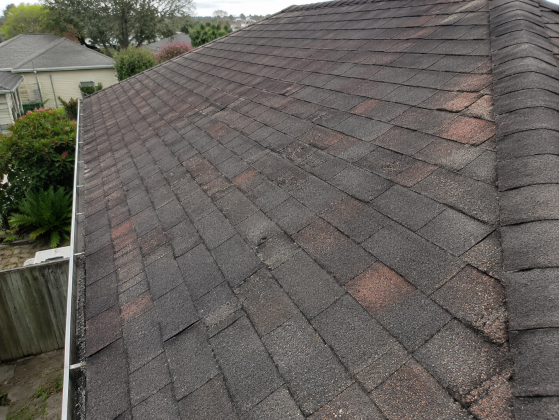
Check your roof for any missing, curled, or broken shingles, particularly if it is over 20 years old. Look for any wear on flashing at chimneys, skylights, and vents. Look for any debris in gutters and sagging, which may indicate water damage. Daytime inspection would help a lot here.

When faced with a roof leak, acting rapidly is essential to lessen the damage and shield the property. Provisional fixes can see you through until help arrives from the experts. Here’s how to patch the leak safely and temporarily.
Your safety is the topmost priority. Wear rubber shoes, and use a sturdy ladder to climb up to the roof. Never go on the roof during a storm, rain, or high winds. Always wear gloves and goggles to protect yourself. Seek assistance when necessary or concentrate on interior containment.
Get ready for a little armory of tools for fixing those short-term repairs: roofing tape, waterproof sealant, utility knife, and a hammer. You should have a stock of plastic sheets, towels, and buckets inside for leaks- in case there are any. For more serious trouble, make sure to get a heavy-duty tarp and roofing nails from your local hardware store.
First and foremost, clear the area of debris, dirt, or leaves so that the repairing material has something to hold on to. It is also very important to clean the gutters and downspouts to allow proper water flow off the roof. Dry the area as much as possible to prevent ruining the temporary fix. Inspect for any other weak spots in the area.
Use roofing tape or sealant on small cracks and holes. Press down firmly for a waterproof seal, adding layers as required. Test the patch in the rain. The professional should weigh in on extremely serious problems, but this step can significantly reduce water penetration.
Cover large damage with a heavy-duty tarp extending well past the affected area, so that it diverts water. Secure the tarp with roofing nails, weights, or bungee cords so it will not fly away. During rain, ensure that the tarp is intact and has not torn or moved out of place.
Prompt immediate counter-leak measures on your roof: attention and a well-thought-out plan. Control water coming inside and protect belongings; indicate the leak with water stains. Get a temporary shelter, like tarps or roofing tape, until help comes. Staying calm and having the right tools will make things quick and save you a lot of money.
But remember to ask us about the final fixes-we will make things right for your home and peace of mind. Contact us anytime at Big Easy Roofer.


 Big Easy Roofer
  October 17th 2025