Leading Roofing Contractor New Orleans - FREE Roofing Estimate with No Hidden Charges - 24-Hour Roof Replacement Guarantee
Leading Roofing Contractor New Orleans - FREE Roofing Estimate with No Hidden Charges - 24-Hour Roof Replacement Guarantee

Leading Roofing Contractor New Orleans - FREE Roofing Estimate with No Hidden Charges - 24-Hour Roof Replacement Guarantee
Leading Roofing Contractor New Orleans - FREE Roofing Estimate with No Hidden Charges - 24-Hour Roof Replacement Guarantee


Talk to an Expert
504-370-8686
Your roof is more than just shingles and underlayment. It’s the first line of defense against Louisiana’s intense storms, scorching heat, and relentless humidity. When it’s time for a roof installation, the contractor you choose will determine whether you get decades of protection or years of headaches. Unfortunately, not all roofing companies operate with the same level of integrity and skill. Some cut corners. Others disappear after collecting your deposit. The right contractor, though? They’ll deliver quality workmanship, transparent communication, and genuine peace of mind.
Choose a roofing contractor who maintains proper licensing and insurance, demonstrates verifiable experience with your roofing material, and provides detailed written estimates. Check reviews from past clients, verify warranty offerings, and ensure they understand local building codes. Trust your instincts about communication quality and professionalism during initial consultations.
Credentials separate professional contractors from fly-by-night operations. Start with licensing. Every legitimate roofing contractor should hold the appropriate state and local licenses required in Louisiana. These licenses prove they’ve met minimum competency standards and submitted to regulatory oversight. Don’t just take their word for it ask for license numbers and verify them with your state licensing board.
Insurance matters even more. Your contractor needs two types: general liability insurance and workers’ compensation coverage. General liability protects your property if something goes wrong during the project. Workers’ compensation covers their employees if someone gets injured on your roof. Without these policies, you become financially responsible for accidents and property damage. Request certificates of insurance directly from their insurance company, not just copies they provide.
Look for industry certifications too. Manufacturers like GAF, CertainTeed, and Owens Corning offer certification programs that train contractors on proper installation techniques for their products. These certifications often come with enhanced warranty options you won’t get from non-certified installers. At Big Easy Roofer, we continually invest in training and certifications because roofing technology evolves, and we’re committed to using the newest roofing technologies available.
Professional associations provide another layer of credibility. Membership in organizations like the National Roofing Contractors Association (NRCA) or local business bureaus indicates a contractor takes their reputation seriously. These groups typically require members to maintain ethical standards and stay current on industry best practices.
Experience tells you what a contractor knows. Reputation tells you how they treat customers. You need both.
Start by asking how long they’ve been in business and specifically how much experience they have with your roofing material. Installing asphalt shingles requires different expertise than working with metal roofing or tile. A contractor with 20 years of experience in commercial flat roofing might struggle with residential pitched roofs. Get specific about their track record with projects similar to yours.
Request references from recent projects ideally within the past year. Talk to at least three previous customers. Ask about communication quality, whether the project stayed on schedule and budget, how the crew treated their property, and if any issues arose after completion. Most importantly, ask if they’d hire this contractor again.
Online reviews offer broader perspective. Check Google, Better Business Bureau, and local review sites. Look for patterns in feedback rather than fixating on individual complaints. Every contractor gets occasional negative reviews, but consistent themes about missed deadlines, poor communication, or shoddy work should raise red flags. Pay attention to how contractors respond to negative reviews too. Professional, solution-oriented responses demonstrate accountability.
Drive by completed projects if possible. Some contractors showcase their work on their website or can provide addresses of recent installations in your area. Seeing their finished work helps you evaluate quality standards and attention to detail.
A detailed written estimate reveals how a contractor operates. Vague estimates with lump-sum pricing hide potential issues. Comprehensive estimates demonstrate transparency and professionalism.
Your estimate should break down all project components:
Be cautious of estimates significantly lower than others you’ve received. Unrealistic pricing often means the contractor plans to cut corners, use inferior materials, or add surprise charges later. We’ve seen homeowners lured by low bids who end up paying more after dealing with substandard work and necessary repairs.
Compare multiple estimates, but don’t choose based solely on price. The cheapest option rarely delivers the best value. Instead, evaluate the overall package: quality materials, experienced installers, comprehensive warranties, and a contractor you trust to complete the job right.
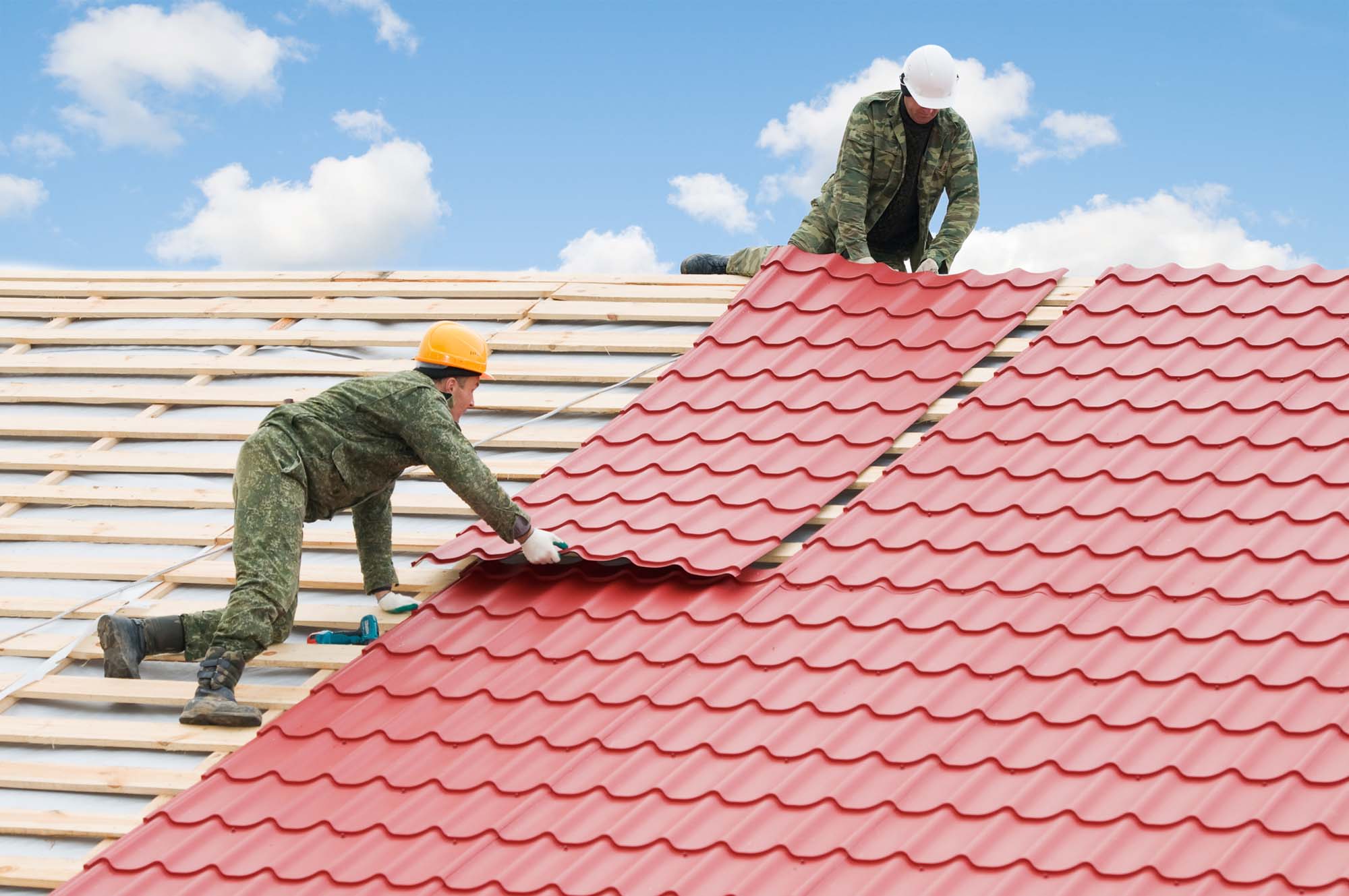
Your contractor will be at your home for days or weeks. They’ll need access to your property, make noise, and create temporary disruptions. The quality of your working relationship depends entirely on their communication skills and professionalism.
Evaluate responsiveness from your first interaction. Do they return calls promptly? Answer questions thoroughly? Provide clear information about their process? Contractors who are difficult to reach before signing a contract will be even harder to contact once work begins.
During consultations, notice how they conduct themselves. Do they show up on time? Present themselves professionally? Listen to your concerns and preferences? A quality contractor treats you as a partner, not just another job number. At Big Easy Roofer, we believe that residential roof installation is about more than just the physical work—we provide shelter, safety, and confidence for our clients.
Ask about their communication protocols during the project. Who will be your main point of contact? How will they update you on progress? What happens if problems arise? How do they handle change orders? Clear answers to these questions prevent misunderstandings later.
Watch for pressure tactics. Legitimate contractors don’t need to push you into immediate decisions with limited-time offers or scare tactics about your roof’s condition. They provide honest assessments and give you time to make informed choices.
Local contractors understand regional challenges that out-of-town companies miss. New Orleans weather presents unique demands: hurricane-force winds, intense sun exposure, high humidity, and sudden temperature swings. Your contractor needs experience with these conditions and knowledge of how they affect different roofing materials.
Building code familiarity is critical. Louisiana has specific requirements for wind resistance, ventilation, and installation methods. Local contractors stay current on these regulations because they work with local inspectors regularly. Big Easy Roofer maintains an in-depth understanding of New Orleans building codes, ensuring every installation meets or exceeds required standards.
Consider their service area too. Contractors based in or near your community can respond quickly if issues arise. They have established relationships with local suppliers, which can speed up material procurement and reduce delays. Their reputation depends on neighbors and local referrals, creating stronger incentive to maintain quality standards.
Availability matters for both project start dates and long-term service. Some contractors book months in advance, especially during peak roofing season. Others can start quickly but might be overextended. Find the balance that works for your timeline without compromising quality. Also verify they’ll be available for warranty service and future maintenance needs.
Warranty protection determines what happens when something goes wrong. But not all warranties are created equal, and confusion about coverage causes frequent disputes.
Roofing warranties come in two categories. Manufacturer warranties cover material defects problems with the shingles, underlayment, or other products themselves. These warranties vary significantly in length and coverage. Basic warranties might cover materials for 20-30 years but pro-rate coverage after just a few years, meaning you pay an increasing percentage of replacement costs over time. Enhanced warranties from certified contractors often provide better terms, including longer non-prorated periods and coverage for labor costs.
Workmanship warranties cover installation quality. This is the contractor’s guarantee that they installed everything correctly. Standard workmanship warranties run 1-5 years, though some contractors offer longer coverage. Read the fine print carefully. Some warranties become void if you hire someone else for repairs or don’t complete recommended maintenance. Others exclude damage from specific causes like storms or foot traffic.
Get warranty details in writing before signing a contract. Verbal promises don’t hold up when problems emerge years later. Understand what triggers warranty coverage, what’s excluded, how to file claims, and what the resolution process involves. Quality contractors, like Big Easy Roofer, stand behind their work with solid warranty protection because we’re confident in our installation standards.
Safety practices reveal professionalism. Contractors who take safety seriously typically maintain high standards across all aspects of their work.
Ask about their safety protocols. OSHA (Occupational Safety and Health Administration) sets guidelines for roofing work, including fall protection requirements, equipment standards, and site safety measures. Professional contractors train their crews on these standards and enforce compliance.
Observe the job site during work if possible. Are workers using proper safety equipment like harnesses and hard hats? Is the area around your home protected from falling debris? Do they secure materials properly to prevent wind damage? A well-organized, safety-conscious site indicates attention to detail that extends to installation quality.
Equipment quality matters too. Professional contractors invest in proper tools and equipment. They use appropriate nail guns, have adequate ladders and scaffolding, and maintain their equipment properly. Companies cutting corners on equipment often cut corners on materials and workmanship as well.
Some warning signs should immediately disqualify a contractor from consideration. Don’t ignore these red flags, no matter how good the price seems:
Trust your instincts. If something feels off about a contractor—their behavior, their explanations, or their business practices keep looking. There’s no shortage of roofing contractors, and you don’t need to settle for one that raises concerns.
You’ve gathered estimates, checked credentials, verified references, and evaluated communication styles. Now it’s time to decide.
Create a simple comparison chart. List your top three candidates and score them across key factors: experience with your roofing material, credential verification, reference feedback, estimate quality, communication responsiveness, warranty offerings, and your overall comfort level. Sometimes the contractor who scores highest on paper doesn’t feel right, and that matters. You need to trust the people working on your home.
Don’t rush this decision because of external pressure or the desire to get the project done quickly. A new roof is a significant investment that should last 20-30 years or more. Spending an extra week to choose the right contractor is worth avoiding decades of problems with the wrong one.
Schedule a final meeting with your preferred contractor before signing. Clarify any remaining questions. Confirm project timeline, payment schedule, and communication protocols. Make sure everything discussed is reflected in the written contract.
Read the entire contract carefully before signing. If you don’t understand something, ask for clarification. If the contractor is unwilling to explain contract terms or modify problematic clauses, that’s a warning sign.
Choosing a roofing contractor doesn’t have to feel overwhelming when you know what to look for. The key is doing your homework: verify credentials, check references, compare detailed estimates, and trust your judgment about communication and professionalism. The contractor you select will impact your home’s protection and your peace of mind for decades to come.
At Big Easy Roofer, we’ve built our reputation on integrity, transparency, and reliability. Our decades of experience serving New Orleans and surrounding communities have taught us that quality workmanship and honest communication create lasting relationships with our customers. We offer free consultations to discuss your roofing needs, evaluate your property, and provide detailed recommendations tailored to your situation.
Don’t settle for less when it comes to your roof. Choose a contractor who puts your needs first, uses quality materials, and stands behind their work with solid warranties. Your home deserves protection from a team of skilled professionals committed to excellence. Contact us today to schedule your free consultation and take the first step toward a new roof you can trust.
Most residential roof installations take 2-5 days depending on roof size, complexity, and weather conditions. Simple ranch-style homes might be completed in 1-2 days, while larger two-story homes with multiple peaks and valleys take longer. Your contractor should provide an estimated timeline in their proposal and keep you updated if weather or unexpected issues cause delays.
You don’t need to be home during installation, but many homeowners prefer to be available for at least part of the project. Being present for the initial walkthrough and final inspection is helpful. Roofing creates significant noise and vibration, so if you work from home, you might want to make alternative arrangements during installation days.
Professional contractors monitor weather forecasts and protect your home if rain threatens. They’ll tarp exposed areas at the end of each workday and whenever weather conditions change. Most contractors include weather contingencies in their timeline. If extended rain is forecasted, they may delay starting until conditions improve rather than risk water damage to your home’s interior.
Quality contractors keep material packaging and documentation on site. Shingle bundles have clear labeling showing manufacturer, product line, and warranty information. Don’t hesitate to ask workers to show you packaging or check that materials match your contract specifications. Taking photos of bundle labels provides documentation for future warranty claims.
Changes are possible but should be documented through written change orders. A change order specifies what’s being modified, cost adjustments, and timeline impacts. Never approve changes verbally always get updated documentation. Be aware that change orders typically increase final costs, and last-minute changes may delay project completion.


 Big Easy Roofer
  March 16th 2026