Leading Roofing Contractor New Orleans - FREE Roofing Estimate with No Hidden Charges - 24-Hour Roof Replacement Guarantee
Leading Roofing Contractor New Orleans - FREE Roofing Estimate with No Hidden Charges - 24-Hour Roof Replacement Guarantee

Leading Roofing Contractor New Orleans - FREE Roofing Estimate with No Hidden Charges - 24-Hour Roof Replacement Guarantee
Leading Roofing Contractor New Orleans - FREE Roofing Estimate with No Hidden Charges - 24-Hour Roof Replacement Guarantee


Talk to an Expert
504-370-8686
During a professional roof inspection, a certified inspector evaluates your roof from the ground up, checking shingles, flashing, gutters, soffit, fascia, attic ventilation, and structural integrity. The process typically takes 45 minutes to two hours and costs between $125 and $360, depending on roof size and inspection technology used.
Your roof protects everything beneath it, yet most homeowners have never watched a professional roof inspection from start to finish. Knowing what to expect during a roof inspection removes the guesswork and helps you ask better questions when the inspector arrives. Whether you are buying a home, filing an insurance claim, or simply keeping up with regular roof maintenance that extends the life of your roof, understanding the process puts you in control.
At Big Easy Roofer, we walk homeowners through every step of our residential roof inspection process so there are no surprises. Here is exactly what happens when a professional inspector arrives at your property.
The inspection begins before anyone climbs a ladder. A qualified inspector starts with a conversation about your roof’s age, history of repairs, any leaks you have noticed, and your specific concerns. This initial walkthrough sets the direction for the entire evaluation.
The inspector will also review any previous inspection reports or repair records you have on file. If your roof was recently damaged by a storm, this background information helps the inspector focus on vulnerable areas. Expect the inspector to photograph the property from multiple angles at ground level before moving to the roof surface.
Insurance companies increasingly require updated roof inspection reports before quoting homeowner policies, so keeping records of each inspection helps during renewal conversations with your insurer.
The exterior review is the most visible part of the process. The inspector walks the entire roof surface, examining shingles or roofing material for cracks, curling, blistering, and missing pieces. Shingle granule loss, a sign of aging, gets documented closely.
Beyond the surface material, the inspector checks every piece of flashing around chimneys, skylights, vents, and wall intersections. Flashing failures are one of the most common sources of leaks, and even small gaps allow water to reach the roof decking below. The inspector also evaluates the condition of the soffit and fascia boards along the eaves, since rot or pest damage in these areas can compromise the roof structure over time.
Gutters and downspouts receive attention too. Clogged or damaged gutters redirect water toward the foundation or allow it to pool along the roofline, leading to the types of common roof repair issues that grow worse if left unaddressed. The inspector checks gutter alignment, fastener condition, and signs of overflow staining on exterior walls.
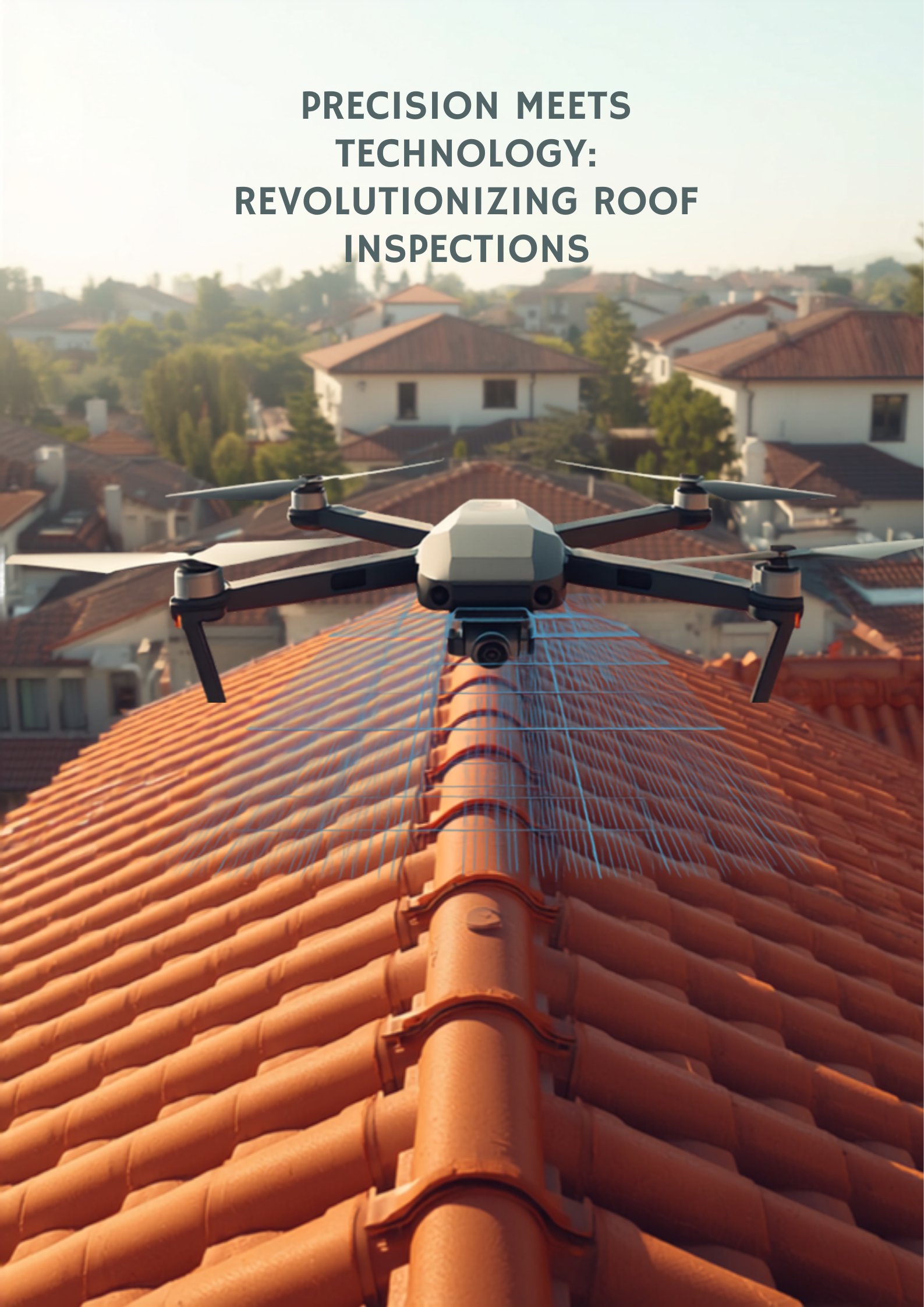
Drone inspection and infrared scanning have changed the way professionals evaluate roofs. These tools detect moisture intrusion, thermal irregularities, and structural weaknesses that are invisible to the naked eye, adding a layer of accuracy that manual-only inspections cannot match.
Drone-mounted cameras allow inspectors to assess steep, multi-story, or hard-to-reach roofs without the safety risks of walking every surface. High-resolution imagery captures cracked tiles, lifted shingles, and ponding water from overhead. For commercial roof inspections on large flat roofs, drone technology cuts inspection time significantly while improving coverage.
Infrared scanning identifies trapped moisture beneath the roof surface by detecting temperature differences. A moisture meter confirms these readings on site. Together, these tools pinpoint problem areas that would otherwise require destructive testing to discover.
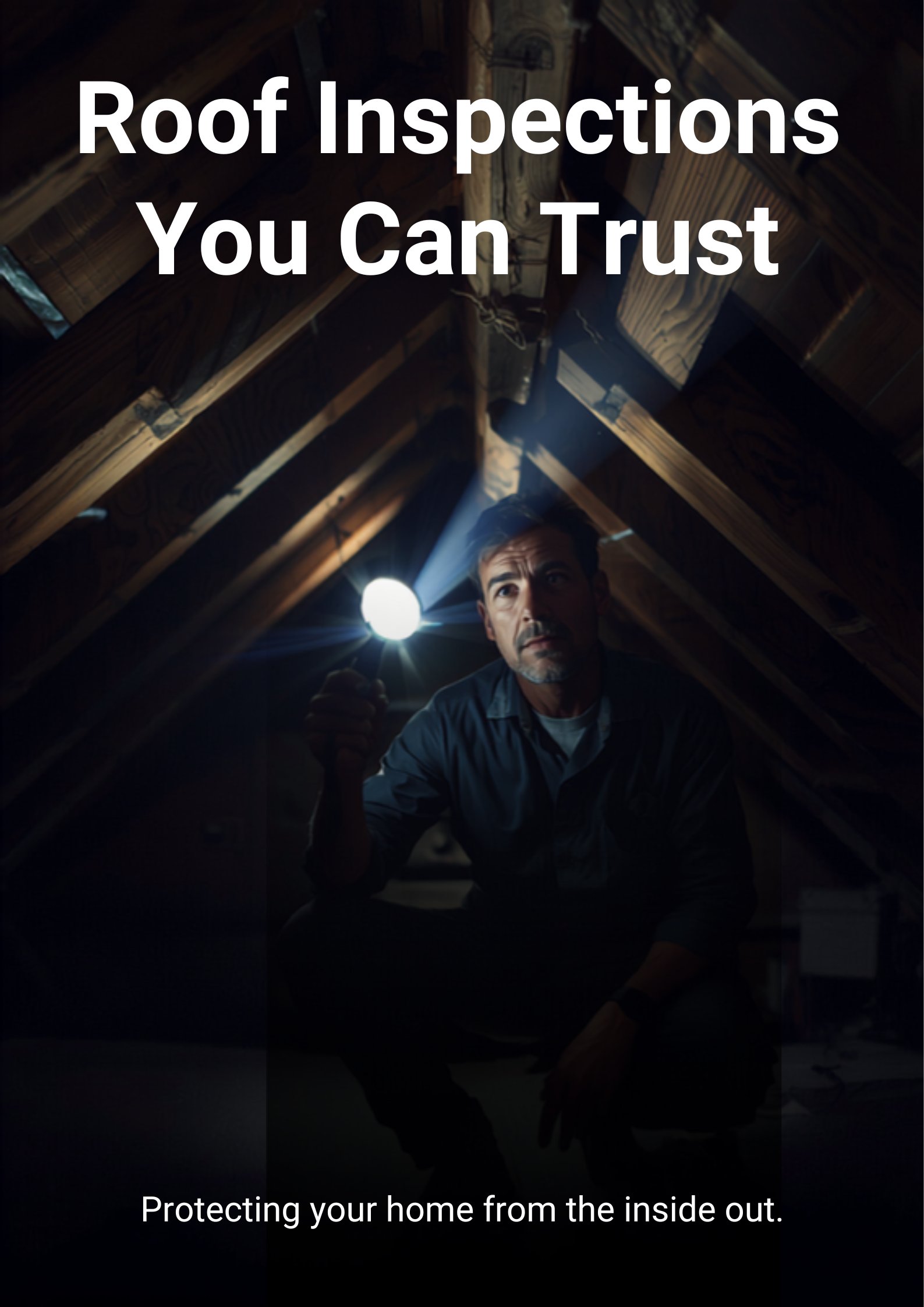
The attic inspection reveals what the exterior cannot. An inspector enters the attic space to examine the underside of the roof decking, insulation condition, ventilation pathways, and any evidence of moisture, mold, or pest intrusion.
Light penetrating through the decking signals gaps or deterioration. Water stains on rafters or sheathing point to active or past leaks that may not be visible from outside. The inspector checks that soffit vents, ridge vents, and attic fans are functioning properly, since poor ventilation traps heat and moisture that accelerate roof aging.
This interior review is often where hidden damage surfaces. Homeowners who follow a seasonal roof repair checklist are less likely to encounter major surprises during the attic portion of the inspection. Catching small issues early through routine residential maintenance saves thousands in repair costs down the road.
Not all inspections carry the same weight. A general home inspector evaluates the entire property and typically reviews only 15 to 20 roof-related items as part of that broader assessment. A certified roof inspector, credentialed through organizations like NRCIA (National Roof Certification and Inspection Association), evaluates 100 or more specific roof components in a focused, roof-only examination.
The difference matters most when you need documentation for an insurance claim, a real estate transaction, or a warranty dispute. If your roof is older than 10 years, has storm damage, or shows signs of wear, a certified roof inspector provides the depth of analysis that general inspections are not designed to deliver. When choosing a roofing contractor, ask whether they employ NRCIA-certified inspectors or equivalent credentials.
Once the physical inspection wraps up, the inspector compiles a detailed report with photographs, condition ratings, and recommended actions. This report is your roadmap for repairs, budgeting, and insurance documentation.
A thorough report categorizes findings by urgency: items that need immediate repair, areas to monitor, and components in good condition. Each finding includes a photo and a clear explanation so you understand the scope of any recommended work. The best inspectors walk you through the report in person and answer your questions before leaving.
Hold on to this report. Lenders, insurers, and future buyers all value documented roof condition assessments. If the inspection identifies issues, you have a clear starting point for getting repair estimates and preventing roof emergencies before they escalate.
Roof inspection costs typically range from $125 to $360 for residential properties. The price depends on roof size, pitch, accessibility, and whether the inspector uses advanced tools like drones or infrared cameras. Most inspections for standard single-family homes fall in the $150 to $250 range.
Industry professionals recommend scheduling an inspection at least once per year and after any major weather event. Roofs older than 15 years benefit from inspections every six months. If you live in an area with heavy rain, high humidity, or frequent storms, more frequent inspections help you stay ahead of damage that compounds quickly.
Some roofing companies offer free inspections as part of a maintenance plan or before providing a repair estimate. Big Easy Roofer provides free estimates with no hidden charges, so you can get a clear picture of your roof’s condition without an upfront cost. Call us at (504) 370-8686 or reach out through our contact page to schedule yours.
A roof inspector examines shingles, flashing, gutters, soffit, fascia, roof decking, ventilation, and drainage. Certified inspectors from organizations like NRCIA check 100 or more specific points, including attic insulation, moisture levels, and structural integrity.
Most residential roof inspections take between 45 minutes and two hours. Larger roofs, commercial properties, or inspections using drone and infrared scanning technology may take longer depending on the size and complexity of the structure.
Roof inspection costs typically range from $125 to $360 depending on the roof size, accessibility, and whether advanced tools like infrared cameras or drones are used. Some roofing companies offer free inspections as part of a maintenance agreement or before providing a repair estimate.
Yes. A pre-purchase roof inspection can uncover hidden damage that a general home inspection may miss. Roof repairs or replacement can cost thousands, so a dedicated inspection protects you from unexpected expenses after closing.
Industry professionals recommend a roof inspection at least once per year and after any major storm. Roofs older than 15 years or located in areas with heavy rain, high winds, or extreme heat benefit from inspections every six months.
A certified roof inspector, credentialed through organizations like NRCIA, evaluates 100 or more specific roof components. A general home inspector typically reviews only 15 to 20 roof-related items as part of a broader property assessment, which can leave hidden issues undetected.


 Big Easy Roofer
  July 17th 2026