Leading Roofing Contractor New Orleans - FREE Roofing Estimate with No Hidden Charges - 24-Hour Roof Replacement Guarantee
Leading Roofing Contractor New Orleans - FREE Roofing Estimate with No Hidden Charges - 24-Hour Roof Replacement Guarantee

Leading Roofing Contractor New Orleans - FREE Roofing Estimate with No Hidden Charges - 24-Hour Roof Replacement Guarantee
Leading Roofing Contractor New Orleans - FREE Roofing Estimate with No Hidden Charges - 24-Hour Roof Replacement Guarantee


Talk to an Expert
504-370-8686
Filing a roof insurance claim in Louisiana requires documenting the damage, notifying your insurer promptly, and understanding state-specific rules like named storm deductibles and filing deadlines. Working with a licensed roofing contractor before the adjuster arrives can strengthen your claim and help you receive the full replacement cost your policy allows.
Louisiana homeowners know that severe weather is part of life here. Hurricanes, hailstorms, and heavy rains can leave your roof battered, and when that happens, your homeowner’s insurance policy is your financial safety net. But filing a roof damage insurance claim in Louisiana is not always straightforward. Between named storm deductibles, adjuster negotiations, and tight deadlines, the process can feel overwhelming if you are not prepared.
At Big Easy Roofer, we help homeowners across New Orleans and surrounding areas navigate roof damage repairs every day. This guide walks you through the Louisiana insurance claim process step by step, so you can protect your home, your finances, and your peace of mind.
As soon as it is safe after a storm, use your phone to take clear photos and videos from multiple angles. Capture close-ups of missing shingles, dents, cracked flashing, and any interior water damage such as ceiling stains or wet insulation. Write down the date and time of the storm, and pull local weather records from the National Weather Service to confirm exactly when the damage occurred.
Thorough records make it much harder for an insurer to dispute or undervalue your damage. For a detailed checklist, read our guide on steps to take immediately after hail damage to your roof.
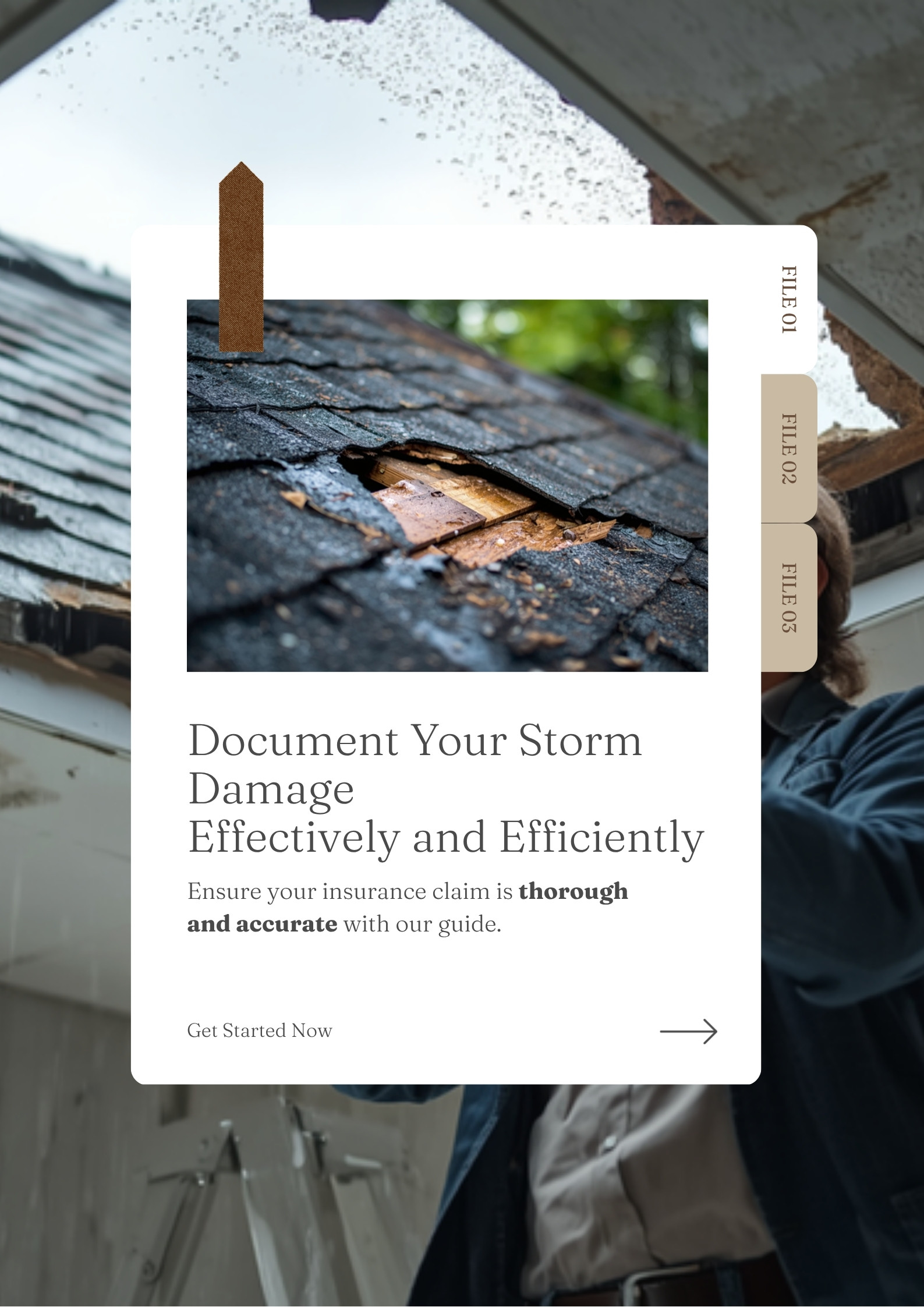
Louisiana law and most insurance policies require homeowners to take reasonable steps to prevent further damage. Cover exposed areas with tarps, place buckets under active leaks, and move furniture away from water intrusion points. Keep your receipts for temporary repair materials, as your insurer should reimburse these costs. However, do not make permanent repairs before the adjuster inspects your roof, because fixing everything beforehand can weaken your claim.
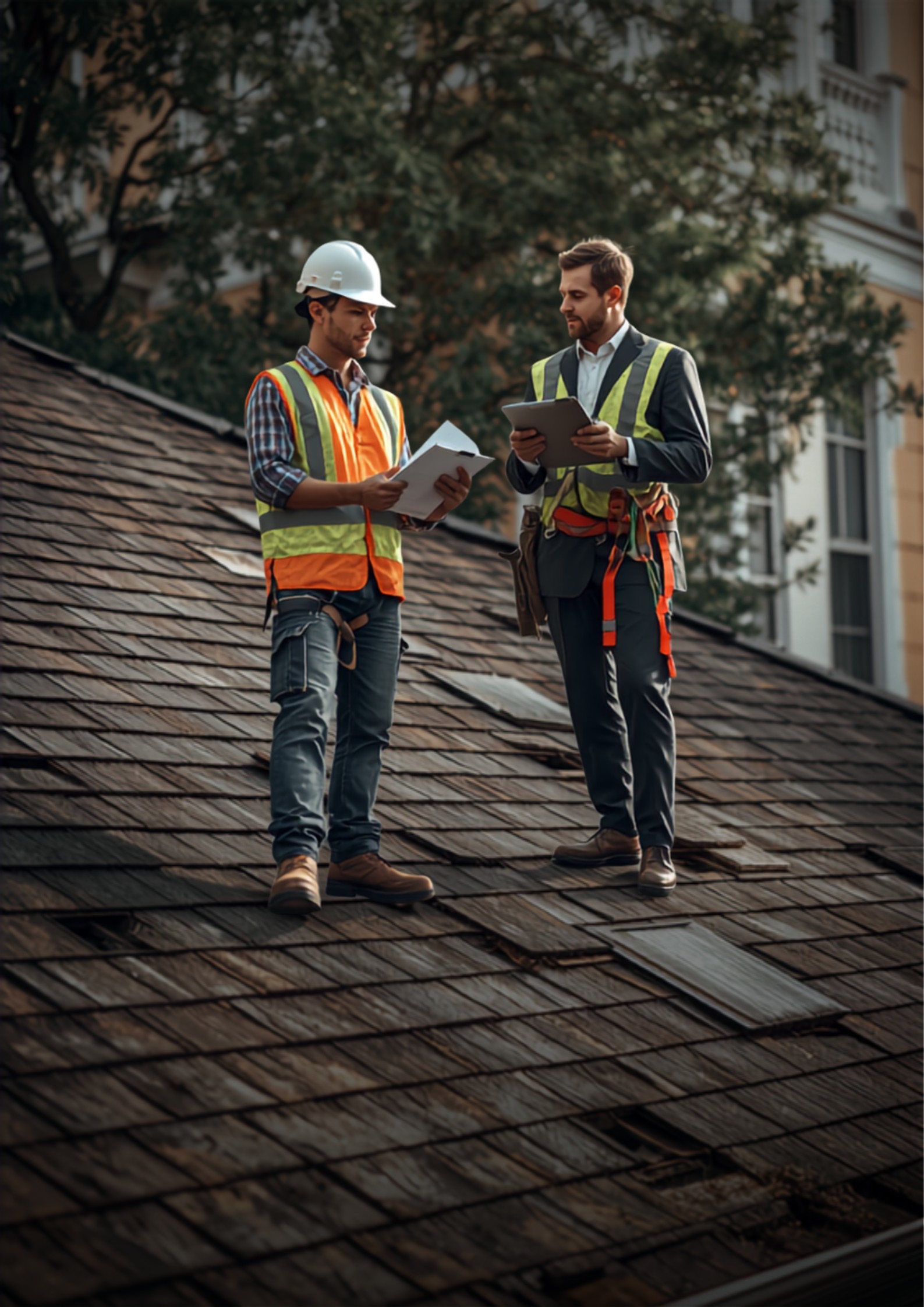
Before the insurance adjuster visits, schedule a professional residential roofing inspection with a licensed contractor. A qualified roofer will catch damage an untrained eye might miss, including compromised decking, damaged underlayment, or weakened flashing not visible from the ground.
If the adjuster’s assessment comes in lower than your contractor’s findings, you have professional evidence to support a supplemental claim. Big Easy Roofer provides free estimates with no hidden charges and can walk through the damage with your adjuster on-site.
Contact your insurance company as soon as possible after discovering damage. Most policies include a “prompt notice” requirement, and waiting too long can give the insurer grounds to deny your claim or reduce your payout.
Louisiana’s prescriptive period for property damage claims is two years from the date the owner knew or should have known about the damage. Your specific policy may set a shorter window, so review your terms carefully. After major hurricane declarations, the Louisiana Department of Insurance sometimes extends filing deadlines, so check their announcements after any significant storm event.
Unlike your standard flat-dollar deductible, a named storm deductible is a percentage of your home’s insured value. In Louisiana, these deductibles commonly range from 2% to 5% of the dwelling coverage amount.
For example, if your home is insured for $300,000 and your named storm deductible is 2%, you would pay the first $6,000 out of pocket before insurance kicks in. Many homeowners are caught off guard by this. Check your declarations page now, before the next storm, so you know what to expect. Understanding common roof repair issues can help you assess whether damage is worth filing a claim for given your deductible.
Replacement cost value (RCV) policies pay to replace your damaged roof with new materials of similar kind and quality, without deducting for depreciation. Actual cash value (ACV) policies subtract depreciation based on your roof’s age, which can leave you with a much smaller payout.
With an RCV policy, your insurer typically issues two payments: one for the depreciated value upfront, and a second (called recoverable depreciation) after you complete repairs and submit invoices. Complete repairs within the timeframe your policy requires to collect that second payment.
As of 2026, Louisiana requires roofers working on residential projects exceeding $7,500 to hold a license through the Louisiana State Licensing Board for Contractors. This matters for insurance claims because many insurers now require repairs to be completed by a licensed contractor before releasing full payment.
Working with an unlicensed contractor can jeopardize your claim. When choosing a roofing contractor for insurance work, verify their license with the Louisiana State Licensing Board for Contractors and confirm they carry liability insurance and workers’ compensation coverage.
Louisiana homeowners looking to lower insurance costs should know about the FORTIFIED roof program. Developed by the Insurance Institute for Business and Home Safety (IBHS), FORTIFIED designations certify that a roof meets enhanced standards designed to withstand hurricanes, hail, and high winds.
Under Louisiana Regulation 136, effective January 2027, insurers must offer discounts of 29% to 49% on the hurricane/wind portion of premiums for FORTIFIED-designated roofs. If you are planning a hail damage roof repair or full replacement, upgrading to FORTIFIED standards can deliver substantial long-term savings. To learn more, see our post on preventing roof emergencies with proper maintenance.
A denied claim is not the end of the road. Insurers deny claims for several reasons: they may argue the damage is from wear and tear, dispute the extent, or cite a policy exclusion. Here is what you can do.
First, request a written explanation and review it against your policy language. You have the right to file a formal complaint with the Louisiana Department of Insurance, which investigates consumer disputes with insurers operating in the state.
Second, consider hiring a public adjuster or an insurance claims attorney. Louisiana law allows policyholders to pursue bad faith claims against insurers who unreasonably deny or delay valid claims. A second inspection from a licensed contractor can also support an appeal if the original adjuster missed damage. For more on recovering from storm damage, read about roof hail damage and how to recover fast.
Filing a roof damage insurance claim in Louisiana does not have to be a battle. With proper documentation, a professional contractor inspection, and a clear understanding of your policy terms, you can navigate the process confidently.
Ready to get started? Contact Big Easy Roofer or call us at (504) 370-8686 for a free roof inspection and estimate. We are available Monday through Friday, 8 AM to 6 PM, and we proudly serve New Orleans, Metairie, Kenner, Slidell, Covington, and surrounding Louisiana communities.
Start by documenting the damage with photos and videos, then contact your insurance company’s claims hotline to report the loss. Provide the date of the storm, your policy number, and a description of the damage, and request your claim number and assigned adjuster’s contact information.
Most Louisiana homeowner’s policies require “prompt notice” of damage, and the state’s prescriptive period for property damage claims is two years from the date the owner knew or should have known about the damage. After major hurricanes, the Louisiana Department of Insurance may extend these deadlines, so check for official announcements after declared storm events.
A named storm deductible is a percentage-based deductible, typically 2% to 5% of your dwelling coverage, that applies when damage is caused by a named hurricane or tropical storm. Unlike a flat-dollar deductible, it is calculated based on your home’s insured value, which means it can amount to thousands of dollars out of pocket.
Yes. Having a licensed roofing contractor inspect your roof before the adjuster arrives gives you an independent damage assessment to compare against the adjuster’s findings. If the adjuster undervalues the damage, your contractor’s detailed estimate provides professional evidence to support a supplemental claim.
Request a written denial explanation and review it against your policy language. You can file a complaint with the Louisiana Department of Insurance, hire a public adjuster for a second assessment, or consult an attorney who handles insurance disputes, as Louisiana law allows bad faith claims against insurers who unreasonably deny valid claims.
Yes. Under Louisiana Regulation 136, effective January 2027, insurers must offer premium discounts of 29% to 49% on the hurricane and wind portion of homeowner’s policies for FORTIFIED-designated roofs. Upgrading to FORTIFIED standards during a roof replacement can result in significant long-term savings.


 Big Easy Roofer
  July 9th 2026