Leading Roofing Contractor New Orleans - FREE Roofing Estimate with No Hidden Charges - 24-Hour Roof Replacement Guarantee
Leading Roofing Contractor New Orleans - FREE Roofing Estimate with No Hidden Charges - 24-Hour Roof Replacement Guarantee

Leading Roofing Contractor New Orleans - FREE Roofing Estimate with No Hidden Charges - 24-Hour Roof Replacement Guarantee
Leading Roofing Contractor New Orleans - FREE Roofing Estimate with No Hidden Charges - 24-Hour Roof Replacement Guarantee


Talk to an Expert
504-370-8686
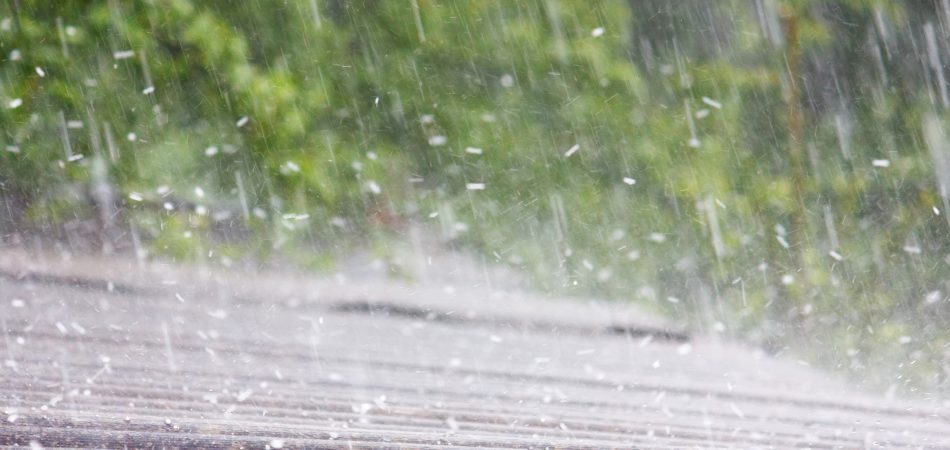
A hailstorm can roll through New Orleans fast and leave behind a mess that’s easy to underestimate. Commercial roofs take a beating during severe weather, and the damage isn’t always obvious from ground level. Don’t let a minor issue turn into a major problem. Knowing exactly what to do in the hours and days after a storm can save you thousands of dollars and protect everything and everyone under that roof.
After hail damages your commercial roof, prioritize safety first, then document all visible damage with photos before contacting your insurance provider. Hire a licensed roofing contractor to perform a professional inspection, as hail damage is often hidden and can worsen quickly without proper repairs.
Flat and low-slope roofs, the most common design for commercial buildings, tend to collect hail impacts differently than steep residential roofs. Standing water can accelerate damage in areas where the membrane has been compromised. Materials like EPDM (ethylene propylene diene monomer) rubber and built-up roofing (BUR) systems can suffer cracking, punctures, or granule loss that isn’t visible until water starts getting inside.
Here’s the thing: even small hailstones hitting a flat roof repeatedly can weaken the surface integrity over time. A single bad storm can push an aging roof past the point of simple repair.
1. Ensure immediate safety. Before anything else, check the interior of the building for ceiling leaks, water stains, or structural concerns. If you suspect serious damage, restrict access to affected areas.
2. Document everything as soon as it’s safe. Walk the perimeter of your building and photograph any visible signs of hail impact – dented HVAC units, damaged skylights, dented gutters, and downspouts. These exterior clues often confirm roof damage even before you get eyes on the roof itself.
3. Avoid going on the roof yourself. Commercial roofs can be slippery and unstable after a storm. Leave the inspection to a licensed professional who has the right safety equipment and training.
4. Contact a trusted roofing contractor quickly. Schedule a professional roof inspection right away. The sooner damage is assessed, the less chance of it spreading. At Big Easy Roofer, we offer free estimates and have a team available 24/7 for emergency roofing situations across the Greater New Orleans area.
5. Call your insurance company. Once you have the contractor’s documented assessment in hand, report the damage to your insurer. Prompt reporting helps prevent claim disputes.
6. Keep all receipts and records. Any temporary repairs, inspections, or emergency services should be documented. Your insurance company will ask for this.
A qualified contractor won’t just glance at the surface and call it done. A thorough commercial roof inspection after hail should assess:
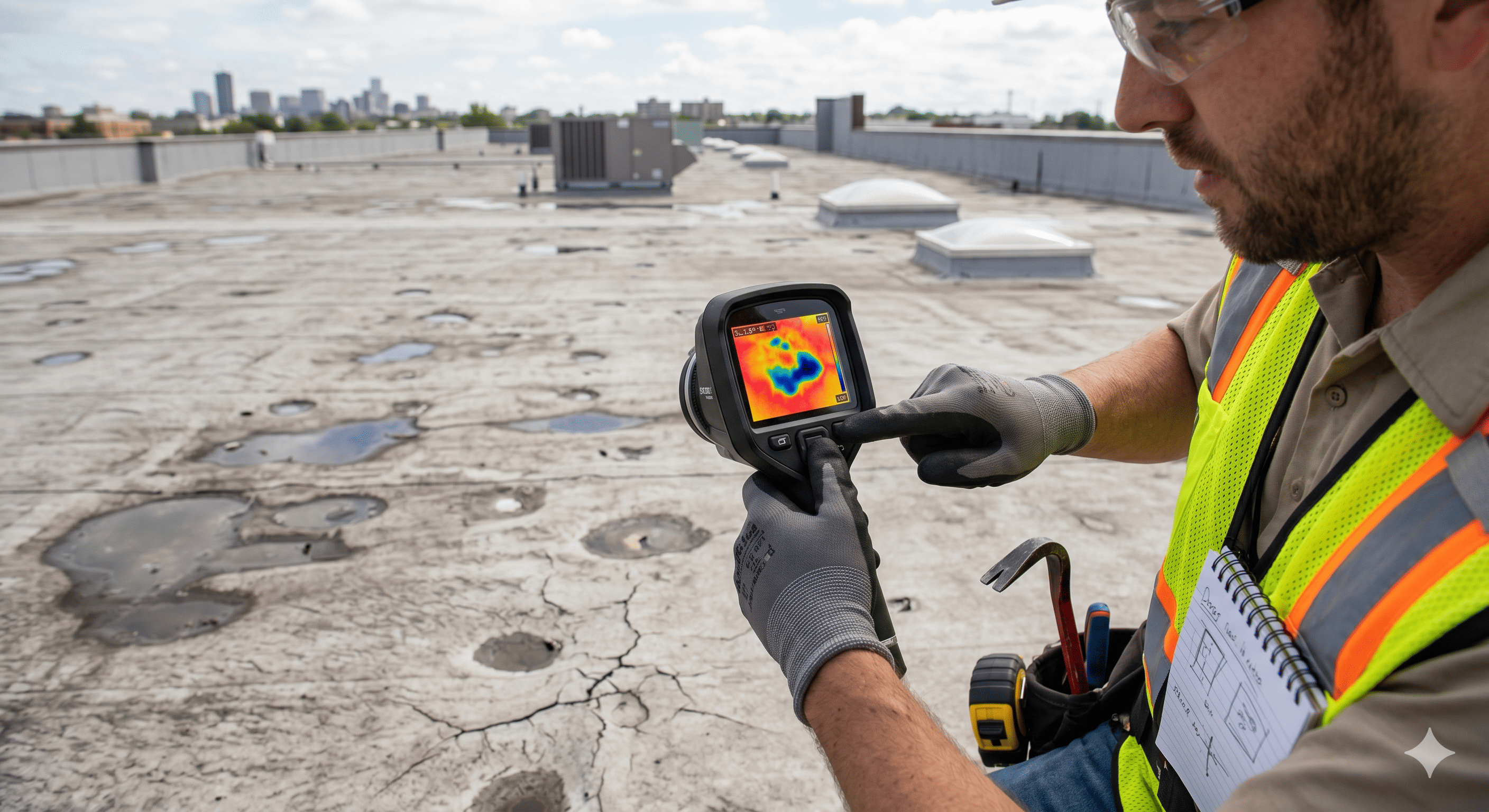 Punctures, bruising, or fractures in the roofing membrane
This kind of detailed walkthrough is what separates a quality repair from one that fails six months later.
Insurance claims after hail damage can feel overwhelming, especially for commercial property owners managing a business at the same time. Truth is, the documentation phase is the most critical part of the entire process.
We work closely with insurance companies to help our customers in New Orleans, Slidell, Mandeville, Hammond, and surrounding areas get through the restoration process smoothly. You shouldn’t have to fight for coverage you’re entitled to.
If the inspection reveals active leaks or exposed areas, temporary repairs like tarping or sealant application may be necessary while you wait for permanent hail damage roof repair to be scheduled. That’s perfectly fine, and most insurers accept reasonable temporary measures.
But don’t let “temporary” drag on for weeks. Water infiltration in a commercial building can lead to mold, structural decay, and interior damage that compounds your costs quickly. Permanent repairs using quality materials and proper installation are always the goal.
Once repairs are complete, ask your contractor about preventive measures. Regular roof maintenance and annual inspections can catch small vulnerabilities before hail or heavy rain exploits them. Roof coatings are another smart option for flat commercial roofs – they add a protective layer that increases impact resistance and extends overall roof life.
Don’t wait on this. Hail damage gets worse with every rain cycle, and delays can compromise your entire roof system. When you choose Big Easy Roofer, you’re committing to improving your property’s quality and worth backed by decades of experience, fully licensed and insured professionals, and a team that genuinely cares about your peace of mind.
Call us today for a free estimate on hail damage roof repair. We serve New Orleans and the surrounding communities, and we’re here when you need us most.
Most insurance policies require you to report storm damage within a specific window – typically one year, though some policies are shorter. Check your policy terms and report as soon as your contractor confirms damage.
No. Even hairline fractures in a commercial roof membrane allow moisture intrusion that worsens with every rainfall. Addressing damage promptly prevents far more costly repairs later.
Costs vary based on roof size, material type, and damage severity. The best approach is to get a professional assessment and free estimate, which we provide at no obligation.
Maintenance won’t prevent hail impacts, but it ensures your roof is in peak condition before a storm hits. A well-maintained roof handles impact better and is less likely to develop secondary damage afterward.


 Big Easy Roofer
  April 20th 2026