Leading Roofing Contractor New Orleans - FREE Roofing Estimate with No Hidden Charges - 24-Hour Roof Replacement Guarantee
Leading Roofing Contractor New Orleans - FREE Roofing Estimate with No Hidden Charges - 24-Hour Roof Replacement Guarantee

Leading Roofing Contractor New Orleans - FREE Roofing Estimate with No Hidden Charges - 24-Hour Roof Replacement Guarantee
Leading Roofing Contractor New Orleans - FREE Roofing Estimate with No Hidden Charges - 24-Hour Roof Replacement Guarantee


Talk to an Expert
504-370-8686
Time and again, hailstorms have proved to be one of the most destructive weather phenomena for houses. Depending on the intensity of hailstorms, the damage to a roof can be superficial to quite severe, damaging not only the aesthetics but also the structure and longevity of the roofing material itself.
Big Easy Roofer understands how hailstorms can strike your roof, resulting in destructive damage that undermines the integrity and potential lifespan of your roof. Our team is committed to ensuring that the expert solutions applied will protect and repair your roof against unpredictable hailstorms. Don’t wait for small problems to turn into big headaches. Reach out to us today for a roof inspection. Let’s keep your home safe and secure together!
The other most serious concern for a homeowner due to hail damage is the integrity of one’s home. Repairs and maintenance can only be done at the right time by gaining an understanding of how much and to what extent this has occurred.
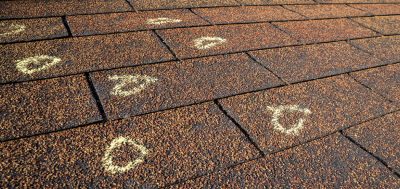
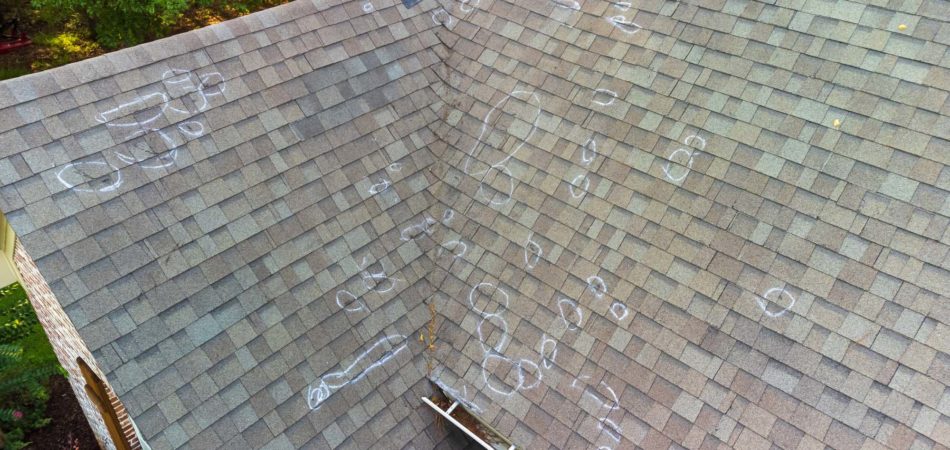
Hailstorms often damage asphalt shingles on homes. The extent of granule loss is a critical factor to assess. Granules protect the shingle from sunlight and weather, but hail can strip these away, leading to a reduced lifespan of the roof. They might also identify bruising or soft spots upon closer inspection, indicating underlying damage not visible from the ground. Cracked or missing shingles weaken the roof, allowing water to get in.
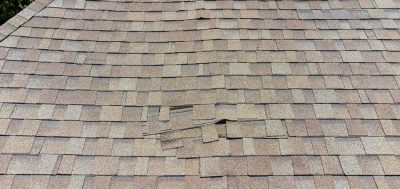
Composition shingles suffer differently under the brunt of hail impacts. Some common signs that homeowners should watch for are surface cracking and splitting. These damages occur when hailstones impact forcefully, causing damage to the outer layer of a shingle.
Shingles could be dislodged or loosened and not necessarily show any signs, but will eventually cause leaks over time. Another sign of hail damage is granule loss since asphalt aggravates wear and tear when exposed to the elements.
Wood shingles have their unique vulnerabilities when faced with hailstorms. There are splits within the grain, which is a direct result of hail impacts. Moisture seeping can cause curling or cupping of shingles, weakening the structure of the roof. Discoloration or decay would generally indicate water exposure for some time, which is usually worse for dented shingles that fail to direct water away from the roof effectively.
Identifying hail damage is crucial for maintaining the integrity of your property. It involves recognizing signs of impact on surfaces exposed to the elements and ensuring timely repairs can be made.
Homeowners often overlook granule loss, yet it’s a clear sign of hail damage. They should look for bare spots where granules have been knocked off. This exposes the roof to further damage. An accumulation of granules in gutters or downspouts signals that the roof has faced a heavy hailstorm impact. Uneven distribution of granules across the roof can also indicate areas hit by hail.
Visible cracks on roofing materials are evident signs of damage from hail. These cracks allow water to gain entry into the house, which causes even worse issues if not addressed accordingly. The following visible signs also include exposed underlayment or sub-roofing, which should be repaired promptly so that he house does not undergo extensive damage. Areas where protective layers are compromised highlight the need for necessary hail damage repairs.
Inspecting exterior areas provides additional clues about potential hail damage issues. Dents or dings on metal components like gutters and downspouts should raise alarms. Damage to siding or window sills may also accompany roof damage, indicating a severe hailstorm has passed through. Furthermore, outdoor furniture or decks showing signs of hail impact marks serve as concrete evidence of a major hailstorm.
No doubt there is a certain overwhelming way of dealing with hail damage, yet it does require timely and accurate actions. The right knowledge of what to do can have a big impact on cutting down the rest of the damage that would ultimately unfold during the repair work.
After identifying hail damage, homeowners should prioritize their safety. They must avoid walking on the roof, especially if it appears unstable. A visual inspection from the ground is the first step. They can use binoculars or a drone for a closer look. This approach allows them to assess the damage without risking injury.
It’s crucial for homeowners to document all signs of damage thoroughly. Taking clear photographs from various angles helps. They should note the date and time of the hailstorm. Keeping a detailed log of the damage and any temporary fixes is also important. This documentation will be vital for insurance claims and future repairs.
To prevent further damage, homeowners can make temporary repairs. Applying tarps or plastic sheeting keeps water out. For minor cracks or holes, roofing cement is useful. They can also secure loose shingles with nails. These steps are essential until professional repairs are possible.
As mentioned already, going through the insurance and claims process for your roof’s hail damage may seem pretty intimidating at first. As a matter of fact, knowing what to expect will help ensure you get what you deserve in terms of repairs.
Homeowners must check their insurance to see what hail damage it covers, including deductibles and exclusions, as these can impact claims. In areas prone to hail, considering additional coverage is wise. This ensures they’re not caught off guard by unexpected costs.
They must be familiar with the specifics of their policy. This knowledge is crucial when filing a claim.
After hail damage, homeowners should quickly call their insurance company. Documenting the damage thoroughly, with photos and repair logs, is essential. These records support their claim.
They should also keep detailed notes of conversations with their insurance company. Following up regularly helps move the process along more smoothly. Persistence pays off in ensuring a timely resolution.
When the adjuster visits, being present allows homeowners to highlight all damaged areas. They should discuss the extent of repairs needed to ensure the adjuster’s report is comprehensive. Understanding the adjuster’s findings helps in negotiating the scope of repairs covered under their policy.
Knowing about hail damage can help homeowners spot and fix roof issues. Recognize damage and know the next steps following damage. Don’t wait around. Small problems can become big ones. Keep your eyes open – a strong, well-maintained roof is your home’s best defense against the fury of nature.
At Big Easy Roofer, we’re not just roof repair experts – we’re your partners in safeguarding your home against hail damage. Contact us today and let us assist you in securing peace of mind with our dependable roofing solutions.


 Big Easy Roofer
  October 3rd 2025